
Exploring Multimodal AI: The Future of Combining Text, Image, and Voice
Exploring Multimodal AI: The Future of Combining Text, Image, and Voice
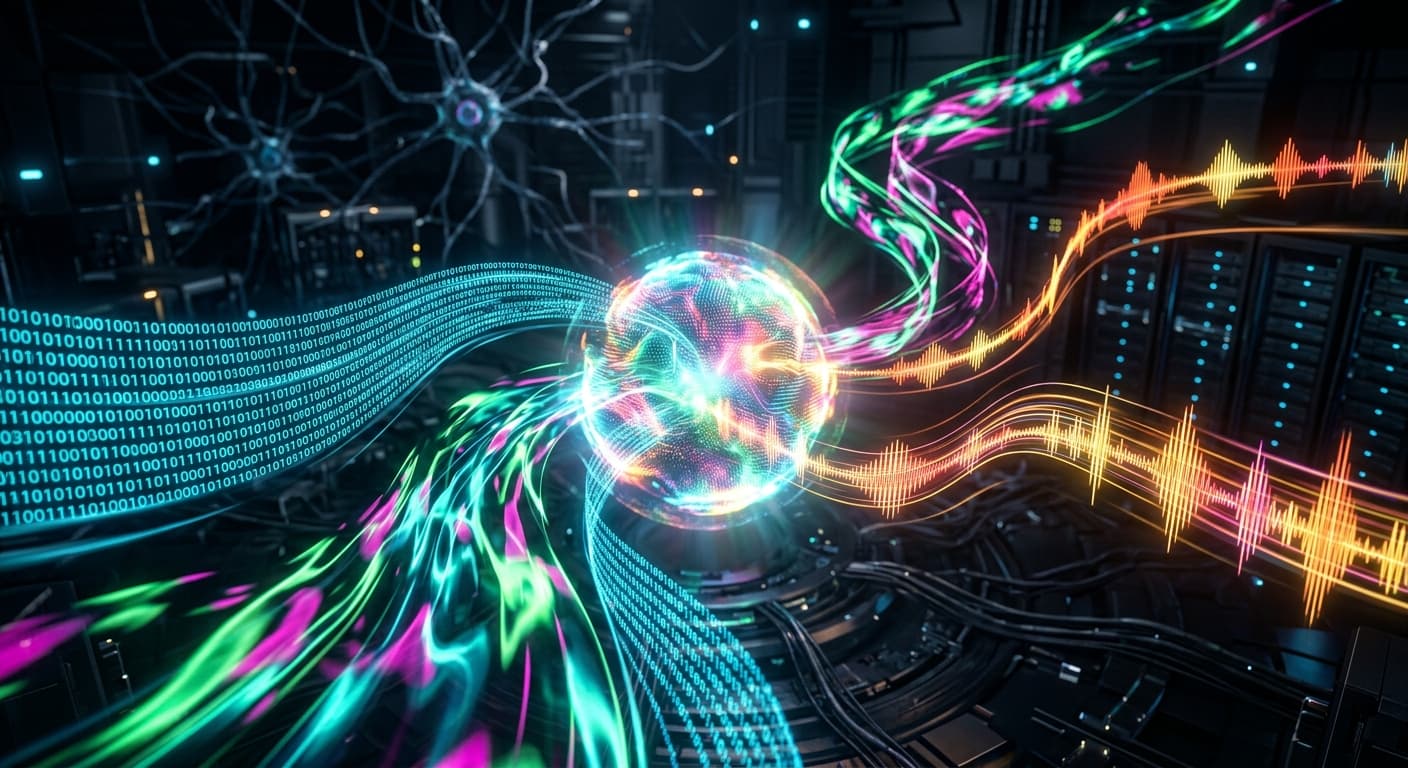
Multimodal AI represents a significant leap in the capabilities of artificial intelligence, allowing systems to understand and generate information across various formats, including text, images, and voice. This integration not only enhances the interaction between users and machines but also broadens the scope of applications across different industries. As we delve into the intricacies of multimodal AI, we will explore its components, benefits, challenges, and future prospects.
What is Multimodal AI?
Multimodal AI refers to artificial intelligence systems that can process and understand multiple forms of data, such as text, images, and audio. Unlike traditional AI models that specialize in a single modality, multimodal systems integrate information from different sources to produce more comprehensive insights and outputs.
For instance, a multimodal AI could analyze a written article, generate relevant images, and even provide a voiceover, thereby creating a rich, interactive experience. This capability is particularly valuable in fields like education, entertainment, and customer service, where diverse forms of communication are essential.
Key Components of Multimodal AI
1. Data Integration
To function effectively, multimodal AI systems require sophisticated techniques to integrate and process data from various modalities. This integration involves aligning different types of data so that the AI can understand the relationships between them. For example, connecting a visual image with descriptive text can help the model generate more accurate interpretations and responses.
2. Model Architecture
The architecture of multimodal AI models often involves complex neural networks designed to handle and synthesize information from different sources. Popular architectures include transformer models, which have been successful in processing sequential data and are now being adapted for multimodal tasks. These models can learn to correlate features from text, images, and audio, resulting in a more holistic understanding.
3. Training Data
Training a multimodal AI requires vast and diverse datasets that encompass various modalities. This could include combinations of images and their corresponding captions, audio recordings with transcripts, or videos accompanied by subtitles. The quality and diversity of training data directly impact the effectiveness of the AI model, making it essential to curate comprehensive datasets.
Applications of Multimodal AI
Multimodal AI has a wide range of applications that leverage its ability to process and understand multiple forms of data. Here are some notable examples:
- Healthcare: Multimodal AI can assist in diagnosing conditions by analyzing medical images alongside patient histories and symptoms, leading to more accurate assessments.
- Education: Interactive learning platforms can use multimodal AI to provide personalized content that includes text, visuals, and audio, catering to different learning styles.
- Entertainment: In the gaming industry, multimodal AI can create immersive experiences by generating dynamic narratives and environments based on player interactions.
- Customer Service: Virtual assistants powered by multimodal AI can interpret customer inquiries in both text and voice, providing responses that are contextually relevant and engaging.
Challenges in Multimodal AI
Despite its potential, multimodal AI faces several challenges that researchers and developers must address:
- Complexity of Data Fusion: Integrating different modalities poses significant technical challenges, particularly in ensuring that the AI can accurately interpret and synthesize information from each source.
- Bias and Fairness: Like all AI systems, multimodal AI can inherit biases present in the training data, leading to unfair or inaccurate outcomes. It is crucial to develop strategies to mitigate these biases during the training process.
- Resource Intensiveness: Training multimodal models often requires substantial computational resources and large datasets, which can be a barrier for some organizations.
The Future of Multimodal AI
The future of multimodal AI is promising, with ongoing research and advancements poised to enhance its capabilities further. As technology evolves, we can expect to see:
- Improved User Interactions: Enhanced user experiences through more intuitive and natural interactions with AI systems, blurring the lines between human and machine communication.
- Greater Accessibility: Multimodal AI can help make technology more accessible to individuals with disabilities by providing alternative ways to interact with digital content.
- Innovative Solutions: New applications across various industries that leverage the unique strengths of multimodal AI, driving innovation and efficiency.
Key Takeaways
- Multimodal AI combines text, images, and voice to enhance understanding and interaction.
- Effective data integration, model architecture, and diverse training data are crucial for success.
- Applications span healthcare, education, entertainment, and customer service.
- Challenges include data fusion complexity, bias, and resource demands.
- The future promises improved interactions and innovative solutions across industries.
FAQ
Q1: What is the main benefit of multimodal AI?
A1: The primary benefit of multimodal AI is its ability to provide a richer and more comprehensive understanding of information by integrating data from various sources, enhancing user interaction and application effectiveness.
Q2: How does multimodal AI handle bias in training data?
A2: Addressing bias in multimodal AI requires careful curation of the training datasets and implementing techniques that identify and mitigate biases during the training process.
Q3: What industries can benefit most from multimodal AI?
A3: Industries such as healthcare, education, entertainment, and customer service can significantly benefit from the capabilities of multimodal AI in delivering more effective and engaging solutions.
As the field of AI continues to evolve, multimodal AI stands out as a transformative force, bringing together the best of text, image, and voice technologies. At Clever AI, we are excited to explore the possibilities that this innovative approach offers for the future of artificial intelligence.