AI News: Canadian Poet Anne Carson Wins 2026 Nobel Prize in Literature
AI News: Canadian Poet Anne Carson Wins 2026 Nobel Prize in Literature
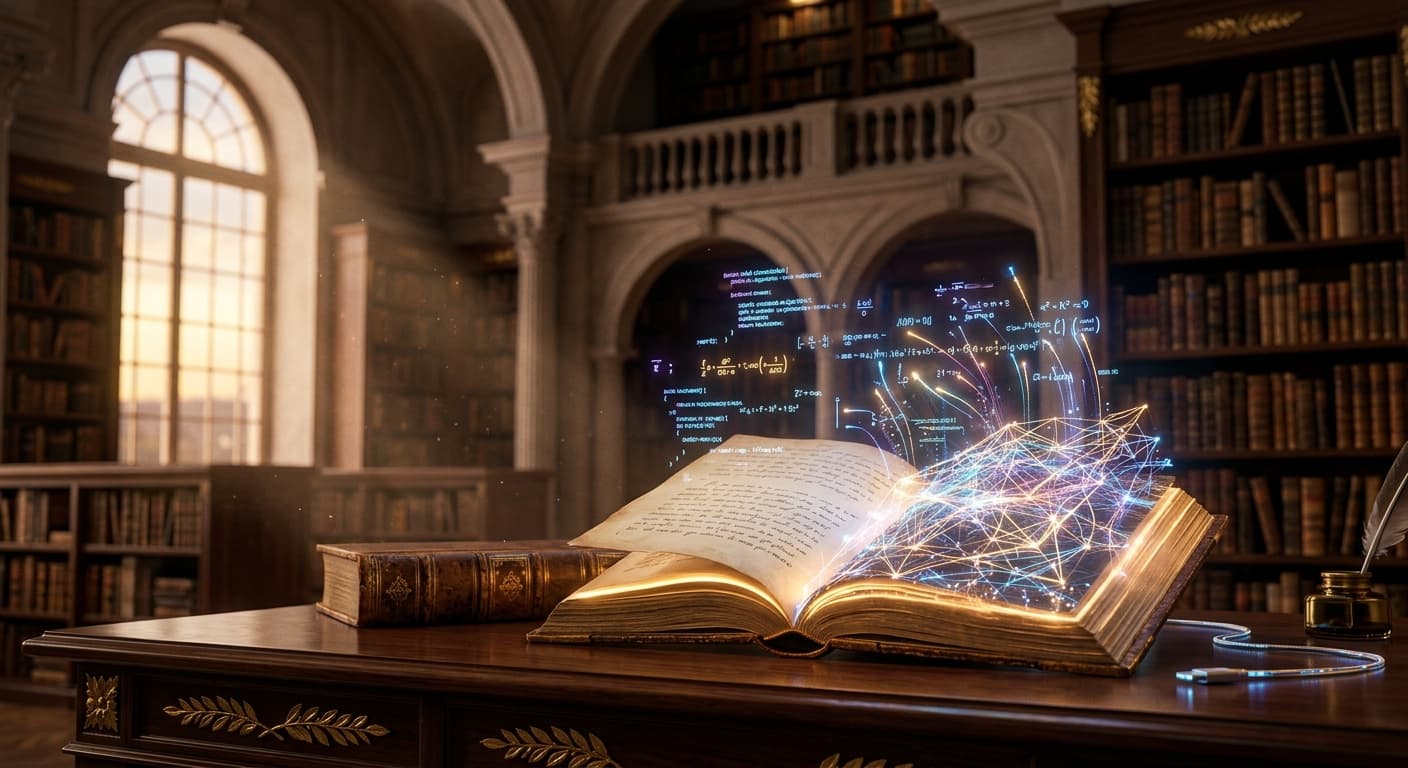
In a remarkable celebration of creativity and innovation, Canadian poet Anne Carson has been awarded the 2026 Nobel Prize in Literature. This accolade not only highlights Carson's unique voice in contemporary poetry but also underscores the growing intersection between literature and artificial intelligence (AI). As AI continues to evolve, it influences various artistic fields, including literature, where generative AI is being used to assist writers and poets in their creative processes.
The Significance of Anne Carson's Achievement
Anne Carson is renowned for her bold and inventive approach to poetry. Her works often blend genres, drawing from classical literature and modern themes. Winning the Nobel Prize in Literature is a testament to Carson's impact on the literary world, showcasing her ability to resonate with readers and critics alike.
This recognition comes at a time when AI is increasingly being integrated into the creative arts. Writers and poets are exploring how AI tools can enhance their work, providing new avenues for inspiration and expression. Carson's achievement may inspire a deeper exploration of how AI can coexist with traditional artistic practices.
The Role of AI in Literature
Artificial intelligence is transforming the landscape of literature in several ways:
- Generative Writing: AI algorithms can create text based on prompts, helping writers overcome blocks and generate fresh ideas.
- Collaborative Creativity: Writers are experimenting with AI as a collaborator, blending human intuition with machine-generated content to produce innovative works.
- Analysis and Feedback: AI tools can analyze texts for style, tone, and structure, providing valuable feedback to authors.
As Carson's works often challenge the boundaries of literary forms, the intersection of her artistry and AI technology invites us to consider the future of literature.
The Impact of Carson's Work on Modern Poetry
Carson's writing is characterized by its lyrical quality and intellectual depth. She has the ability to weave complex themes into accessible language, making her poetry resonate across diverse audiences. This Nobel Prize recognition not only solidifies her legacy but also encourages a new generation of poets to explore innovative forms and techniques.
In a world increasingly influenced by technology, Carson's work serves as a reminder of the enduring power of the human voice in literature. Her ability to evoke emotion and provoke thought is a crucial aspect of what makes poetry meaningful, even in an age where AI-generated content is on the rise.
The Future of Literature in the Age of AI
As AI tools become more sophisticated, the landscape of literature will continue to evolve. Here are some potential future trends:
- Personalization: AI could tailor literary experiences to individual readers, creating personalized stories and poems based on their preferences.
- New Genres: The blending of AI and human creativity may lead to the emergence of new literary genres that challenge conventional definitions of authorship.
- Ethical Considerations: The rise of AI in literature raises questions about originality, copyright, and the role of the author. How will society navigate these complexities?
Key Takeaways
- Anne Carson's Nobel Prize win highlights the ongoing relevance of human creativity in literature.
- AI is transforming literary practices, from generative writing to collaborative creativity.
- The future of literature will likely involve a blend of AI and human ingenuity, presenting both opportunities and challenges.
FAQ
Q: What is Anne Carson known for? A: Anne Carson is known for her innovative poetry that often blends classical themes with contemporary issues, earning her widespread acclaim.
Q: How is AI impacting literature today? A: AI is influencing literature through generative writing, collaborative tools, and analytical feedback, reshaping how authors create and refine their work.
Q: What does Carson's Nobel Prize win mean for the future of poetry? A: Carson's win may inspire new explorations in poetry and encourage writers to integrate AI into their creative processes while maintaining the essence of human expression.
As we celebrate Anne Carson's remarkable achievement, it's essential to reflect on how the literary world is evolving. The intersection of AI and literature presents exciting possibilities for the future, reminding us that creativity knows no bounds. At Clever AI, we are committed to exploring these trends and their implications in our ongoing discussions about the role of technology in creative fields.