
AI Daily News: Exploring the Impact of Generative AI in Entertainment — October 9, 2026
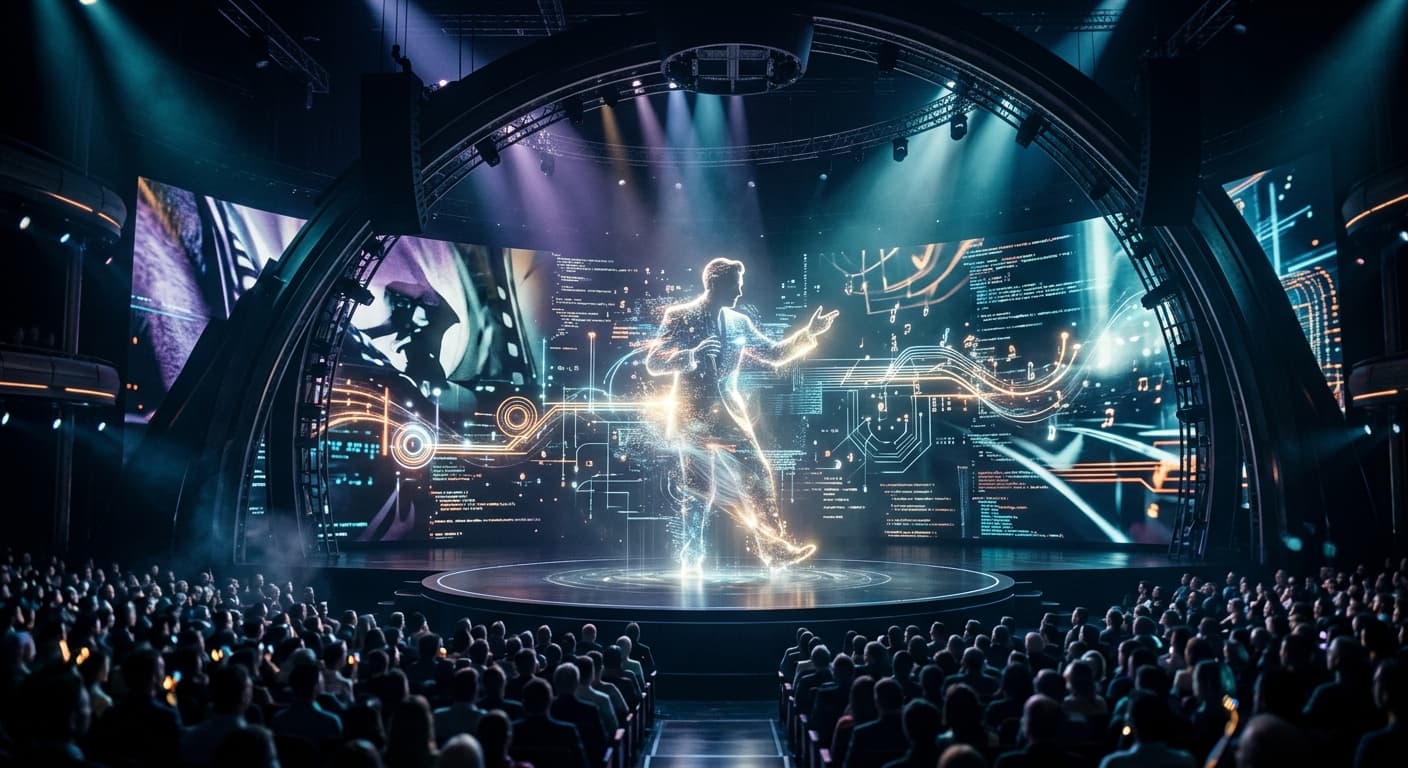
AI Daily News: Exploring the Impact of Generative AI in Entertainment — October 9, 2026
In recent months, generative AI has been transforming various sectors, including entertainment. From creating realistic simulations of iconic actors to generating scripts that echo beloved film styles, AI's influence is undeniable. As we witness this evolution, it raises important questions about creativity, authenticity, and the future of storytelling.
The Rise of AI in Entertainment
Generative AI technologies are revolutionizing the entertainment industry by offering new ways to create content. With the ability to analyze vast amounts of data, AI can generate scripts, music, and even visual art that resonate with audiences. Recent developments highlight how AI is being used to mimic the styles and performances of legendary actors, creating a bridge between nostalgia and innovation.
Mimicking Iconic Performances
One fascinating application of AI is its ability to replicate the acting styles of renowned performers. For example, AI technology has advanced to the point where it can create voice and visual simulations of actors like Nana Patekar. This capability opens new avenues for filmmakers to integrate classic performances into contemporary narratives, offering a unique blend of old and new.
- Key Takeaway: AI can replicate iconic performances, allowing for creative storytelling that honors past legends while engaging modern audiences.
Ethical Considerations in AI-Generated Content
As AI-generated content becomes more prevalent, ethical considerations arise. Questions about intellectual property, consent, and authenticity are at the forefront of discussions among industry professionals. How do we ensure that the use of an actor's likeness or voice is respectful and consensual? This is an ongoing debate that will shape the future of AI in entertainment.
- Key Takeaway: Ethical implications of AI usage in entertainment must be addressed to protect artists and their legacies.
The Future of Storytelling
Generative AI has the potential to redefine storytelling. By analyzing audience preferences and trends, AI can create tailored narratives that resonate with specific demographics. This personalized approach could lead to higher engagement levels and a more immersive entertainment experience.
- Key Takeaway: Personalization through AI can enhance audience engagement and transform how stories are told.
Challenges and Limitations
Despite its promise, generative AI also faces challenges. The technology is still evolving, and there are limitations in its ability to capture the intricacies of human emotion and creativity. While AI can mimic styles, it often lacks the depth of genuine human experiences that resonate with audiences on a personal level.
- Key Takeaway: While AI can replicate styles, it still struggles to encapsulate the depth of human creativity.
Conclusion
As we continue to explore the intersection of generative AI and entertainment, it is essential to navigate this landscape thoughtfully. By addressing ethical considerations and recognizing the limitations of technology, we can harness the power of AI to enhance storytelling while respecting the artistry of human creators. At Clever AI, we are committed to exploring these developments and their implications for the future of creativity.
FAQ
Q: How is AI currently being used in the film industry? A: AI is used for script generation, visual effects, and even replicating actor performances, providing new creative avenues.
Q: What ethical concerns arise from using AI in entertainment? A: Key concerns include intellectual property rights, consent for using an actor's likeness, and the authenticity of AI-generated content.
Q: Can AI truly replace human creativity in storytelling? A: While AI can enhance storytelling, it currently lacks the emotional depth and insight that comes from human experiences.