
AI News: Exploring the Impact of Generative AI in Entertainment
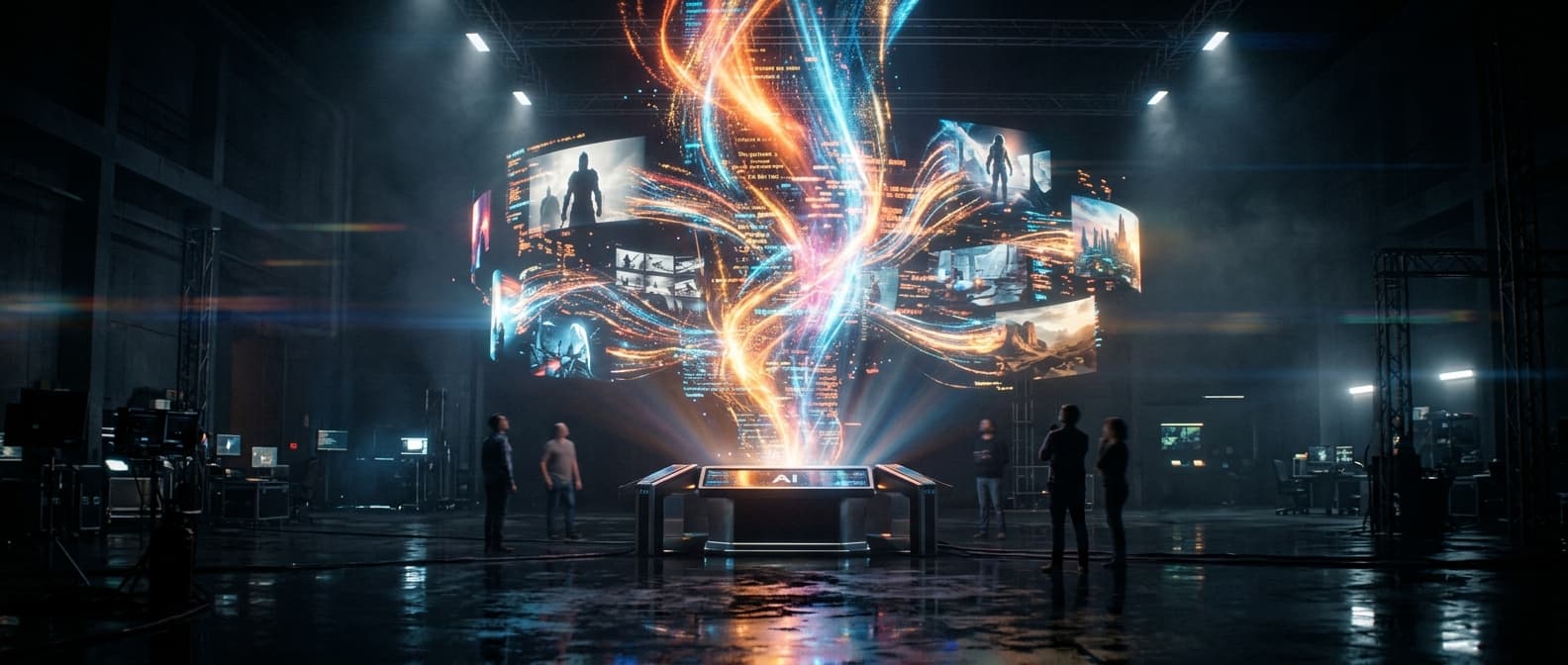
AI News: Exploring the Impact of Generative AI in Entertainment — October 8, 2026
The world of entertainment is rapidly evolving, with generative AI taking center stage. As we witness significant advancements in AI technology, particularly in natural language processing and image generation, the implications for creative industries are profound. This article explores several recent developments in generative AI and their influence on the entertainment sector, showcasing how AI is reshaping storytelling, production, and audience engagement.
The Rise of Generative AI in Scriptwriting
Generative AI tools have started making waves in scriptwriting, enabling creators to brainstorm ideas and generate dialogues with unprecedented ease. By leveraging large language models (LLMs), writers can now explore various narrative directions, character developments, and plot twists without the constraints of traditional brainstorming. These AI systems analyze existing scripts, understanding nuances and styles, which enhances their ability to produce coherent and engaging narratives.
Key Takeaways:
- Generative AI tools assist writers in crafting scripts by providing creative suggestions.
- LLMs can analyze existing works to generate new content that aligns with desired themes.
- The technology allows for rapid prototyping of scripts, saving time in the creative process.
Enhancing Visual Production with AI
In addition to scriptwriting, generative AI is transforming visual production. AI-driven tools can create realistic visual effects and even generate entire scenes, reducing the need for extensive manual input from artists. This is particularly evident in projects that require high levels of visual fidelity but are constrained by budget or time limitations. By automating portions of the production process, creators can focus more on storytelling and less on technical execution.
Key Takeaways:
- AI can generate high-quality visuals, streamlining the production process.
- This technology allows creators to experiment with visual storytelling without incurring significant costs.
- The integration of AI in visual arts fosters innovation in filmmaking and animation.
Audience Engagement Through Personalized Content
Generative AI is also reshaping how audiences interact with entertainment. By analyzing viewer preferences and behaviors, AI can tailor content recommendations and even create personalized viewing experiences. This level of customization enhances user engagement, making audiences feel more connected to the content they consume. Streaming platforms, in particular, are harnessing this technology to optimize their offerings and retain subscribers.
Key Takeaways:
- AI algorithms analyze viewer data to customize content recommendations.
- Personalized experiences enhance audience engagement and satisfaction.
- Streaming services leverage AI to maintain competitive advantages in content delivery.
Ethical Considerations and Future Implications
As generative AI continues to permeate the entertainment industry, ethical considerations come to the forefront. Issues such as copyright, authorship, and the potential for misinformation need careful navigation. The ability of AI to replicate styles and generate content raises questions about originality and ownership. As we move forward, industry stakeholders must establish guidelines that balance creativity with ethical practices.
Key Takeaways:
- Ethical concerns around AI-generated content must be addressed to safeguard creators' rights.
- Industry standards will be crucial in navigating the complexities of AI use in entertainment.
- Ongoing dialogue between technologists and creatives is necessary to foster responsible AI development.
The Future of Generative AI in Entertainment
The future of generative AI in entertainment holds immense potential. As technology advances, we can expect more sophisticated AI systems capable of producing content that rivals human creativity. The collaboration between AI and human creators may lead to groundbreaking innovations in storytelling, art, and audience engagement. However, it will require a commitment to ethical practices and a willingness to adapt to the evolving landscape of entertainment.
Key Takeaways:
- Future advancements in AI could enhance creative collaboration between machines and humans.
- Innovation in storytelling will likely emerge from the integration of AI tools.
- Ethical considerations will shape the future landscape of generative AI in entertainment.
FAQ
Q: How is generative AI currently being used in scriptwriting?
A: Generative AI tools assist writers by offering creative suggestions and generating dialogues based on existing scripts, enabling faster and more diverse storytelling.
Q: What are the ethical concerns regarding AI in entertainment?
A: Ethical concerns include copyright issues, authorship debates, and the potential for misinformation, necessitating guidelines for responsible AI use in creative industries.
Q: What is the future outlook for generative AI in the entertainment industry?
A: The future looks promising with advancements in AI technology likely leading to innovative storytelling methods and enhanced collaboration between AI and human creators.
As we navigate these exciting developments in generative AI, platforms like Clever AI are dedicated to exploring the implications of these technologies in various fields, including entertainment. Stay tuned for more insights on the intersection of AI and creative industries.