AI News: Michael and Susan Dell Fund AI-Native Medical Center
AI News: Michael and Susan Dell Fund AI-Native Medical Center
In a groundbreaking move for healthcare innovation, Michael and Susan Dell have pledged a staggering $750 million towards the establishment of an AI-native medical center at the University of Texas. This investment not only marks a significant milestone in the application of artificial intelligence in medicine but also highlights the increasing importance of AI in reshaping healthcare practices.
The Vision Behind the AI-Native Medical Center
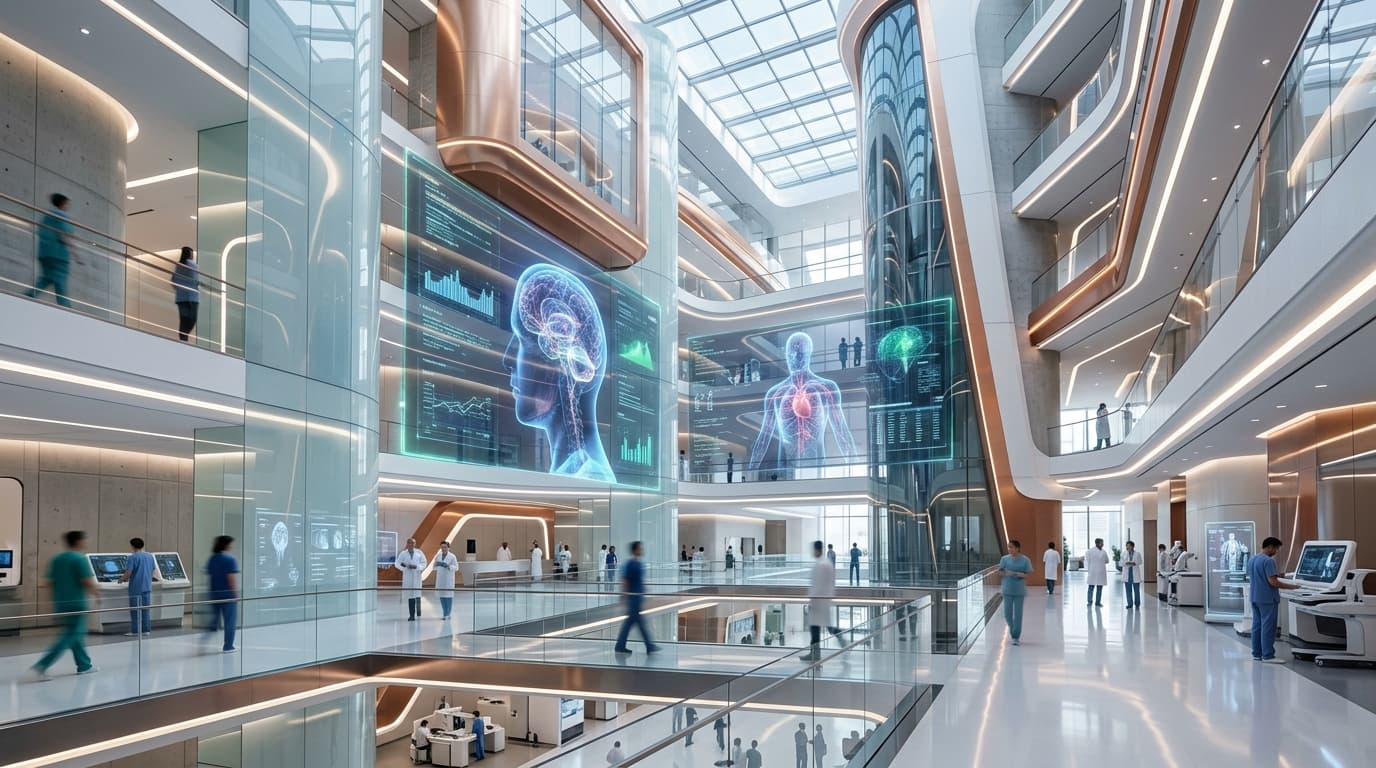
The AI-native medical center is envisioned as a state-of-the-art facility that integrates advanced artificial intelligence technologies into its core operations. This innovative approach aims to enhance patient care, streamline processes, and improve research outcomes. The Dells' investment is part of their broader philanthropic efforts, which have now surpassed $1 billion in contributions to UT Austin alone.
Why AI in Healthcare Matters
Artificial intelligence is rapidly becoming a crucial player in the healthcare sector. Here are some key reasons why:
- Efficiency: AI can process vast amounts of data quickly, helping healthcare professionals make faster decisions.
- Precision: Machine learning algorithms can analyze patient data to provide personalized treatment plans.
- Predictive Analytics: AI can predict patient outcomes based on historical data, enabling proactive care.
- Cost Reduction: Automation of routine tasks can lead to significant cost savings for healthcare providers.
The Dell family's commitment to funding this center reflects a growing recognition of AI's potential to transform healthcare delivery and improve patient outcomes.
The Role of AI in Modern Medicine
AI technologies are already making waves in various areas of healthcare:
- Diagnostic Imaging: AI algorithms can interpret X-rays and MRIs with remarkable accuracy, often spotting anomalies that human eyes might miss.
- Telemedicine: AI-powered chatbots facilitate communication between patients and healthcare providers, offering preliminary consultations and follow-ups.
- Drug Discovery: AI accelerates the drug development process by predicting how different compounds will interact with the body, significantly reducing time and costs involved.
The establishment of an AI-native medical center is expected to enhance these applications, providing researchers and clinicians with the tools they need to push the boundaries of medical science.
Funding and Future Developments
The $750 million donation is part of the Dell Foundation's ongoing initiatives to promote healthcare advancements. This funding will support not only the construction of the facility but also the development of AI research programs that can lead to groundbreaking discoveries in medicine. The center is expected to foster collaborations between tech companies and healthcare professionals, paving the way for innovative solutions to contemporary healthcare challenges.
Conclusion
The establishment of an AI-native medical center funded by Michael and Susan Dell is a significant step forward in integrating artificial intelligence into healthcare. As we move forward, the implications of this funding could be profound, potentially leading to more efficient, effective, and personalized healthcare solutions. The Dells' commitment to this cause showcases the vital role of philanthropy in driving technological advancements in medicine.
For those curious about further developments in AI, stay tuned to Clever AI for more insights and news updates.
Key Takeaways
- Michael and Susan Dell have committed $750 million to create an AI-native medical center at UT Austin.
- The center aims to integrate AI technologies to enhance patient care and streamline healthcare processes.
- AI is transforming healthcare through improved diagnostics, telemedicine, and drug discovery.
- This funding represents a significant push towards innovative healthcare solutions and collaborations.
FAQ
What is an AI-native medical center?
An AI-native medical center is a healthcare facility that fully integrates artificial intelligence technologies into its operations, aiming to enhance patient care and operational efficiency.
How will the Dell funding impact healthcare?
The Dell funding will facilitate the development of advanced AI applications in healthcare, potentially leading to improved patient outcomes and reduced costs.
Why is AI important in healthcare?
AI enhances efficiency, precision, and predictive capabilities in healthcare, allowing for personalized treatment plans and better patient management.