
AI News: The Brooklyn Bridge Fireworks Hoax — July 5, 2026
AI News: The Brooklyn Bridge Fireworks Hoax — July 5, 2026
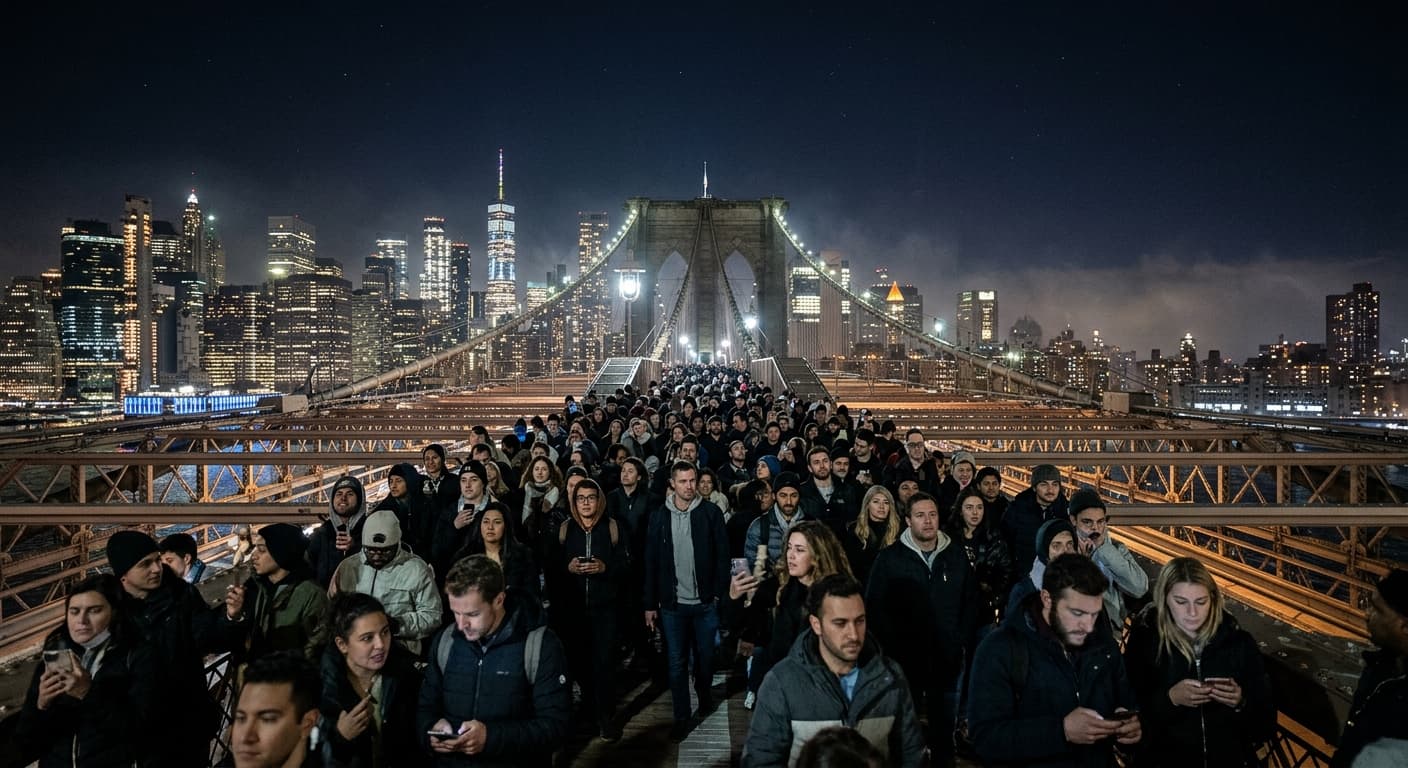
In a surprising turn of events, a recent AI-generated hoax led to thousands gathering at the Brooklyn Bridge on New Year's Eve, expecting a grand fireworks display that never happened. This incident highlights the growing influence of AI in shaping public perceptions and behaviors, raising questions about the responsibility of social media platforms and the potential consequences of misinformation.
The AI Hoax Unveiled
As the countdown to New Year's Eve approached, social media feeds were flooded with posts about a spectacular fireworks show to be held at the Brooklyn Bridge. These posts, many of which were AI-generated, misled attendees into believing they were part of a unique celebration. Reports indicate that hundreds, if not thousands, of people descended upon the iconic bridge, only to find nothing but disappointment as the clock struck midnight. This event has sparked widespread conversations about the implications of AI-generated content in our daily lives.
The Role of Social Media
The role of social media in amplifying this hoax cannot be overlooked. As detailed by The Daily Beast, the flood of AI-generated posts created a sense of urgency and excitement, leading to a significant turnout. Users, driven by the fear of missing out, shared posts without verifying their authenticity. This phenomenon underscores the need for social media platforms to implement better verification systems to combat the spread of misinformation.
Key Takeaways:
- AI-generated content can easily mislead the public, particularly on social media.
- Platforms must take responsibility for the authenticity of the information shared.
- Public awareness about AI's influence on social media is crucial in combating misinformation.
The Aftermath and Public Response
Following the hoax, public reactions ranged from confusion to outrage. Many attendees expressed their disappointment on social media, sharing their experiences and questioning how such misinformation could spread so rapidly. Reports from Yahoo revealed that some individuals had traveled long distances to participate in what they believed would be a historic event.
Lessons Learned
- This incident serves as a cautionary tale about the power of AI in shaping narratives and public expectations.
- It emphasizes the importance of critical thinking when consuming content online.
- Stakeholders, including tech companies and regulatory bodies, may need to collaborate to establish guidelines for responsible AI use.
The Future of AI in Public Spaces
As we move forward, the implications of AI-generated content in public spaces will continue to be a relevant topic. The Brooklyn Bridge incident highlights a larger trend where AI can manipulate public sentiment and behavior. Experts warn that without proper oversight, similar events could occur, potentially leading to more severe consequences.
Future Considerations:
- Developing ethical guidelines for AI use in media and public communications.
- Increasing public education on identifying misinformation.
- Encouraging tech companies to innovate solutions for verifying content authenticity.
Frequently Asked Questions
Q: How did the hoax spread so quickly? A: The hoax spread rapidly due to a surge of AI-generated posts on social media, creating a buzz that encouraged users to attend without verifying the information.
Q: What are the potential risks of AI-generated misinformation? A: Risks include public panic, misinformation spreading rapidly, and potential harm to individuals or communities if people act on false information.
Q: How can we combat AI-generated misinformation? A: Combating misinformation involves enhancing public awareness, improving verification processes on social media, and fostering critical thinking skills.
As AI continues to evolve and integrate into our lives, it's crucial for both individuals and organizations to remain vigilant about the information we consume and share. Clever AI is committed to exploring the intersections of technology and society, helping to navigate these complex issues.