
AI News: Airlines Embrace AI Strategies — June 4, 2026
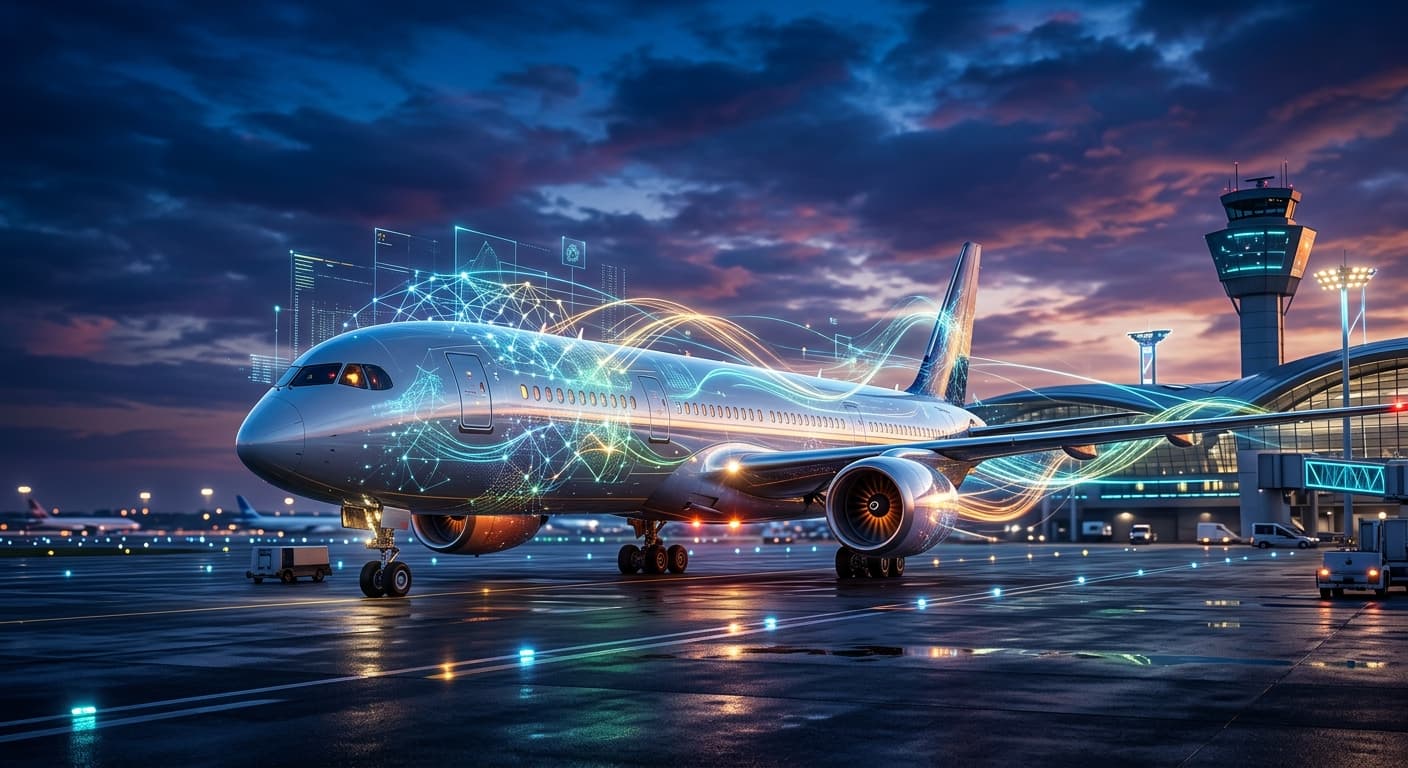
AI News: Airlines Embrace AI Strategies — June 4, 2026
In recent years, the aviation industry has witnessed a significant transformation driven by artificial intelligence (AI). As airlines look to enhance operational efficiency and improve customer experiences, the adoption of AI technologies has become more prevalent. This article explores how major airlines are integrating AI into their operations, the challenges they face, and what these changes mean for travelers and the industry at large.
The Rising Tide of AI in Aviation
AI is reshaping various sectors, and aviation is no exception. Airlines are leveraging AI to automate processes, optimize fare pricing, and enhance customer service. By using AI algorithms, airlines can analyze vast amounts of data to make informed decisions that were previously time-consuming or impossible.
Key Takeaways:
- Automation: Airlines are automating routine tasks, reducing operational costs.
- Dynamic Pricing: AI is increasingly used to set and adjust fare prices based on real-time data.
- Enhanced Customer Experience: AI-driven chatbots and personalized recommendations are improving traveler interactions.
Strategies for AI Implementation
Several major airlines have developed distinct strategies for incorporating AI into their operations. For example, American Airlines has emphasized the importance of AI in streamlining operations and enhancing customer service. Their initiatives include AI-driven chatbots that assist with customer inquiries and predictive analytics to forecast demand and optimize staffing.
American Airlines' Approach to AI
According to American Airlines, the integration of AI is aimed at not only improving efficiency but also providing a more personalized experience for customers. By utilizing AI, they can analyze customer preferences and behaviors, which allows for tailored marketing efforts and improved service delivery (American Airlines).
Dynamic Fare Pricing: The AI Revolution
One of the most intriguing applications of AI in aviation is dynamic fare pricing. Airlines are using AI to analyze market trends, competitor pricing, and customer demand to set competitive fares. This approach allows airlines to adjust prices in real-time, potentially maximizing revenue while offering customers the best possible prices.
The Impact of AI on Ticket Prices
As noted by Aerospace Global News, AI's impact on fare pricing is profound. Airlines equipped with AI tools can make quick adjustments to their pricing strategies based on a multitude of factors, including booking patterns and market fluctuations. This adaptability is crucial in a highly competitive market where consumer preferences can change rapidly (Aerospace Global News).
Navigating Challenges in AI Adoption
While the benefits of AI are clear, airlines also face challenges in its implementation. Concerns about data privacy, the need for significant investment in technology, and the potential for job displacement are all critical issues that need addressing. Moreover, the integration of AI into existing systems can be complex and resource-intensive.
The Tentative Approach of Airlines
PhocusWire highlights that many airlines are adopting a cautious approach to AI deployment. They are testing AI applications in controlled environments before fully integrating them into their operations, ensuring that they can manage risks effectively while still reaping the benefits of AI technologies (PhocusWire).
The Future of AI in Aviation
As we look forward, the role of AI in aviation is poised to expand further. With ongoing advancements in machine learning and data analytics, airlines can expect to see even more innovative applications of AI. From optimizing flight routes to enhancing in-flight experiences, the possibilities are vast.
What Lies Ahead?
The aviation industry must continue to embrace AI while remaining vigilant about the ethical implications and potential challenges. As travelers become more accustomed to AI-driven services, airlines will need to innovate continually to stay ahead in a rapidly evolving landscape.
Frequently Asked Questions
What are the main benefits of AI in the airline industry?
AI helps airlines improve operational efficiency, enhance customer service, and optimize pricing strategies.
How are airlines addressing the challenges of AI adoption?
Many airlines are taking a cautious approach, testing AI applications before full-scale implementation to mitigate risks.
Will AI replace human jobs in the airline industry?
While AI may automate certain tasks, it is also likely to create new roles focused on managing and interpreting AI-driven insights.
In conclusion, the integration of AI into the airline industry is not just a trend; it's a fundamental shift that promises to enhance operational capabilities and customer experiences. As Clever AI continues to explore these advancements, we remain committed to providing insights that help professionals navigate this evolving landscape.