
Unlocking the Potential of Multimodal AI
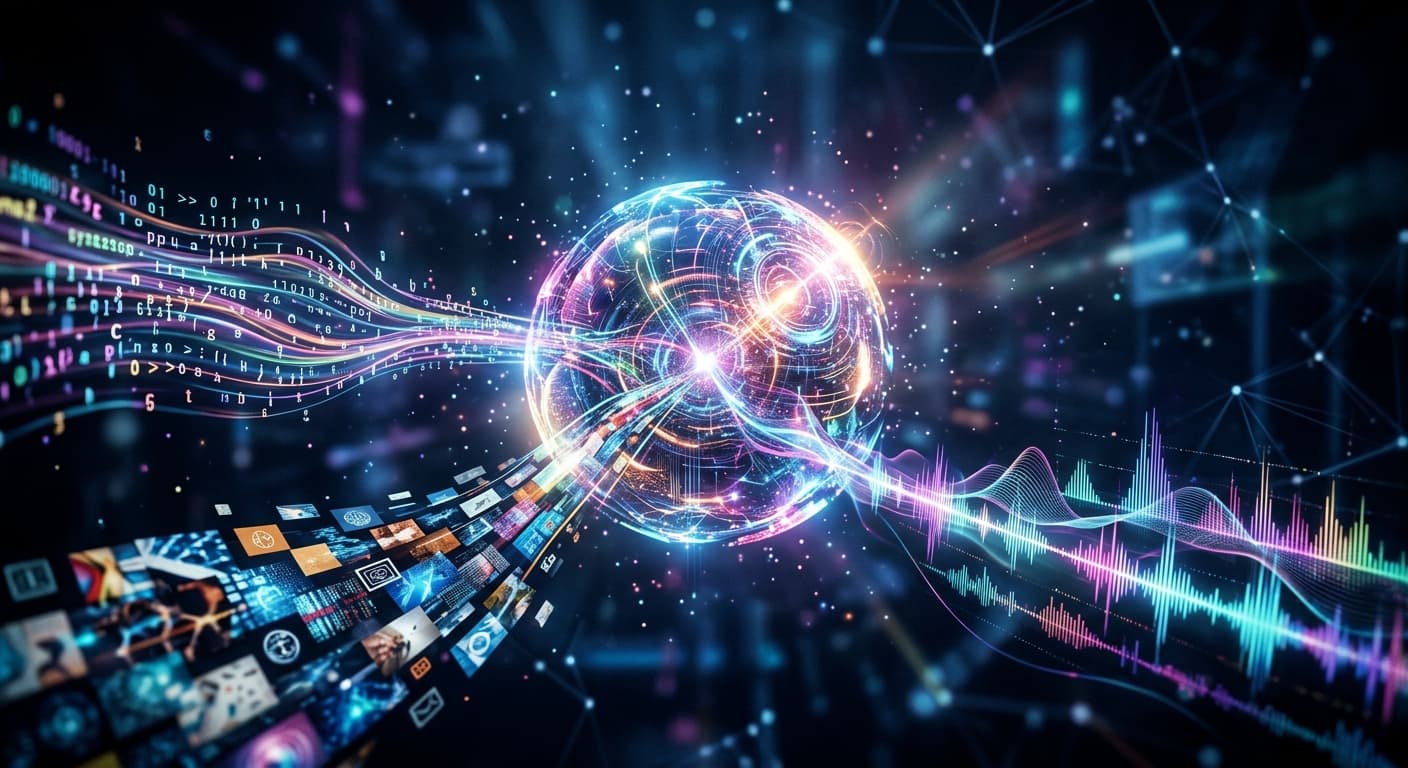
Unlocking the Potential of Multimodal AI: Combining Text, Image, and Voice
In the rapidly evolving landscape of artificial intelligence, multimodal AI is emerging as a game-changer. By integrating various forms of data—text, image, and voice—this technology is redefining how we interact with machines and enhancing user experiences across diverse applications. Understanding multimodal AI is crucial for professionals aiming to leverage its capabilities for productivity and innovation in the workplace.
What is Multimodal AI?
Multimodal AI refers to systems that can process and understand multiple types of data simultaneously. This includes text, images, audio, and video. Unlike traditional AI models that focus on a single data modality, multimodal AI combines these inputs to create a more holistic understanding of context and intent. For instance, a multimodal AI system could analyze a video, recognize spoken language, and interpret accompanying text, providing a richer response than any single modality could achieve alone.
Key Characteristics of Multimodal AI
- Integration of Data Types: Combines insights from various sources—text, images, and audio.
- Contextual Understanding: Provides a deeper understanding by analyzing relationships between different data types.
- Enhanced User Interaction: Facilitates more natural and intuitive interactions between users and machines.
The Importance of Multimodality in AI
As AI technology advances, the demand for systems that can understand and interact with humans in a more natural way is increasing. Multimodal AI meets this demand by:
- Improving Communication: Users can interact using whichever modality they prefer, whether typing, speaking, or providing visual input.
- Enhancing Accessibility: By supporting multiple forms of input, multimodal AI makes technology more accessible to people with different needs.
- Driving Innovation: Businesses can develop new applications and services that leverage the combined strengths of various data modalities.
Applications of Multimodal AI
Multimodal AI is being applied in various industries, transforming how organizations operate and engage with customers. Here are some notable applications:
1. Customer Support
AI chatbots that can understand text and voice inputs can provide more effective customer support. For example, a customer might describe an issue verbally while a system analyzes images of the product to offer tailored solutions.
2. Content Creation
Tools that combine text generation with image and audio creation can help marketers produce engaging multimedia content quickly. This speeds up the creative process and enhances the quality of outputs.
3. Healthcare
In healthcare, multimodal AI can analyze patient data from text notes, medical images, and voice recordings to assist in diagnosis and treatment planning. This comprehensive view leads to better patient outcomes.
4. Education
Educational platforms can use multimodal AI to create interactive learning experiences. Students can learn through text, video, and voice instructions, catering to different learning styles.
Challenges in Implementing Multimodal AI
While multimodal AI offers significant advantages, it also comes with challenges that organizations must navigate:
- Data Complexity: Integrating different data types can be complex and requires sophisticated algorithms.
- Resource Intensity: Multimodal AI systems often demand substantial computational power and storage, which can be a barrier for smaller organizations.
- Data Privacy: Handling diverse data types raises concerns about data security and user privacy, necessitating stringent compliance measures.
The Future of Multimodal AI
As we look ahead, the role of multimodal AI will only grow. By 2030, it is expected that AI systems will understand users better than their closest friends, as they become more attuned to individual preferences and behaviors across multiple modalities. This evolution presents exciting opportunities for businesses to enhance customer experiences and streamline operations. The workplace of the future will likely see AI becoming an even more integral part of daily workflows, driving productivity and innovation in ways we are just beginning to explore.
Key Takeaways
- Multimodal AI integrates text, image, and voice data for a more comprehensive understanding.
- It enhances user experience by allowing natural interactions and improving accessibility.
- Applications span various industries, including customer support, healthcare, and education.
- Challenges include data complexity, resource requirements, and privacy concerns.
- The future holds potential for AI to understand users deeply, reshaping workplace dynamics.
FAQ
What is the main advantage of multimodal AI?
The main advantage of multimodal AI is its ability to understand and process multiple forms of data simultaneously, leading to richer interactions and more accurate responses.
How does multimodal AI enhance user experience?
By allowing users to interact through various inputs—text, voice, and images—multimodal AI creates a more intuitive and accessible experience, catering to different preferences and needs.
What industries can benefit from multimodal AI?
Industries such as healthcare, education, customer service, and marketing can significantly benefit from the enhanced capabilities of multimodal AI, improving efficiency and user engagement.
As we continue to explore the capabilities of AI, the insights from Clever AI help shed light on the potential of multimodal technologies in reshaping our future interactions with machines.