
Understanding Multimodal AI: The Future of Combining Text, Image, and Voice
Understanding Multimodal AI: The Future of Combining Text, Image, and Voice
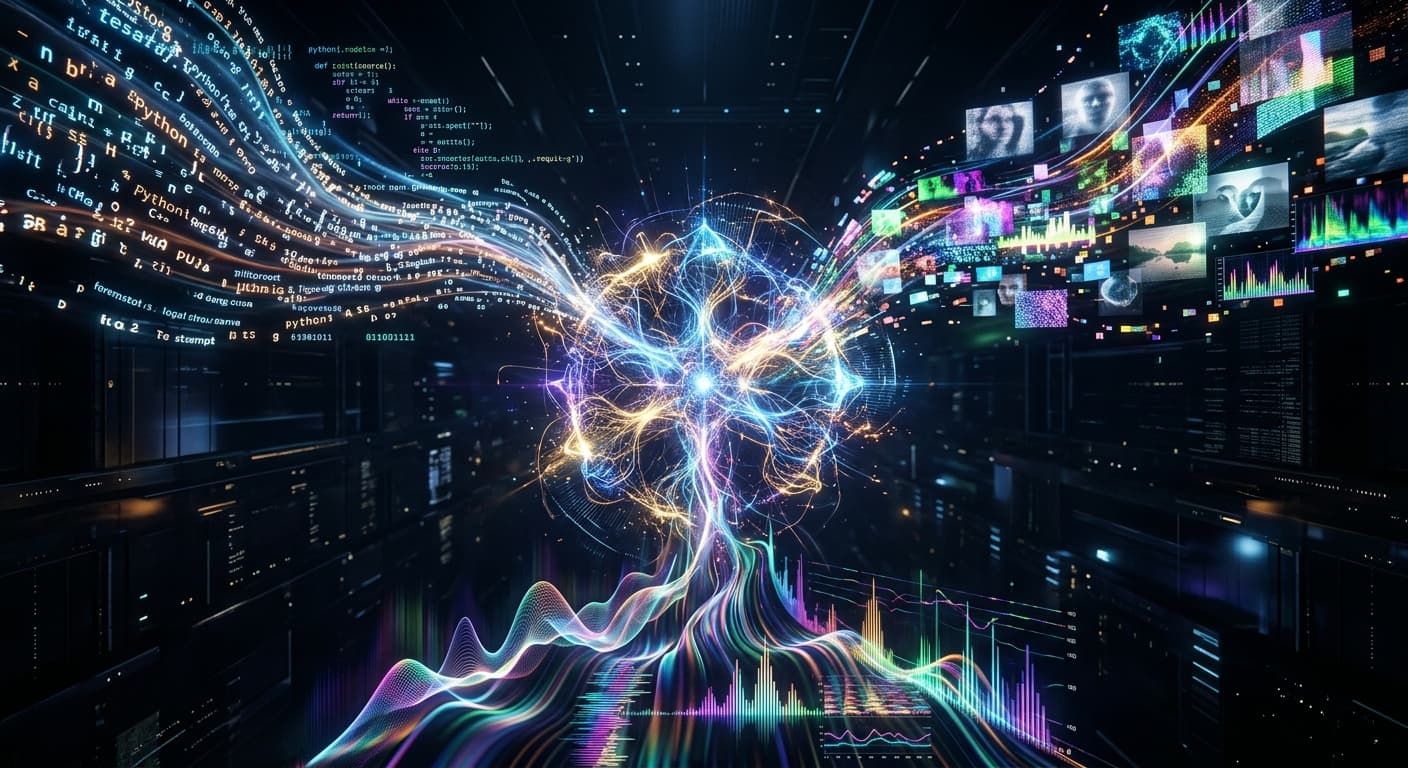
In recent years, artificial intelligence has undergone a remarkable transformation, evolving from narrow applications to more sophisticated systems capable of understanding and generating multiple forms of media simultaneously. Enter multimodal AI, a groundbreaking approach that integrates text, images, and voice to create a more cohesive and intuitive interaction with technology. This article explores the fundamentals of multimodal AI, its applications, challenges, and its future in various industries.
What is Multimodal AI?
Multimodal AI refers to systems that can process, understand, and generate data across different modalities, including text, images, and audio. Unlike traditional AI models that focus on a single type of input, multimodal AI leverages multiple sources of information to enhance understanding and interaction. This capability mirrors human communication, where we often combine speech with visual cues and contextual information.
Key Features of Multimodal AI
- Integration of Multiple Data Types: Combines text, voice, and visual data for richer interactions.
- Enhanced Context Understanding: Provides a more nuanced understanding of context and intent.
- Improved User Experience: Facilitates more natural and engaging interactions with technology.
How Multimodal AI Works
Multimodal AI systems utilize a combination of machine learning techniques, including natural language processing (NLP), computer vision, and audio analysis. The integration of these technologies allows the system to process and correlate data from different sources. Here’s a breakdown of how it works:
- Data Input: The system receives input in various forms—text, images, or voice.
- Feature Extraction: Each modality is analyzed separately to extract relevant features. For example, NLP techniques are used for text analysis, while computer vision methods are applied to images.
- Fusion Mechanism: The features from different modalities are combined through a fusion mechanism, which can be either early-stage (before analysis) or late-stage (after individual analyses).
- Decision Making: The fused data is then used for decision-making or generating output, such as responding in a conversational manner or generating descriptive captions for images.
Applications of Multimodal AI
Multimodal AI has a wide range of applications across various industries, including:
1. Healthcare
In healthcare, multimodal AI can analyze patient data from various sources—medical images, text reports, and voice notes—providing more accurate diagnoses and personalized treatment plans. For instance, a system could evaluate radiology images and correlate them with patient history to suggest potential conditions.
2. Education
In the education sector, multimodal AI can create interactive learning experiences by combining videos, quizzes, and textual explanations. This approach caters to different learning styles, making education more effective and engaging.
3. Customer Service
Multimodal AI enhances customer service by integrating chatbots that can understand text inquiries and voice calls while analyzing customer sentiment through facial recognition in video interactions. This leads to more responsive and personalized service.
4. Content Creation
For content creators, multimodal AI can assist in generating multimedia content, such as articles accompanied by relevant images or videos, all tailored to specific audiences based on their preferences and behaviors.
Challenges in Multimodal AI
Despite its potential, multimodal AI faces several challenges:
- Data Synchronization: Aligning data from different modalities can be complex, particularly when dealing with varying formats and levels of detail.
- Computational Complexity: Processing and analyzing multiple data types simultaneously requires significant computational resources and advanced algorithms.
- Interpretability: Understanding how multimodal AI arrives at specific conclusions can be difficult, raising concerns about transparency and accountability.
The Future of Multimodal AI
As technology continues to evolve, the future of multimodal AI looks promising. Advances in deep learning and neural networks are driving the development of more sophisticated models that can better understand and integrate diverse data sources. The potential for multimodal AI to enhance user experiences and create more intelligent systems is vast, paving the way for applications that were previously unimaginable.
Key Takeaways
- Multimodal AI combines text, image, and voice data for richer interactions.
- It enhances understanding and improves user experiences across various applications.
- Challenges include data synchronization, computational complexity, and interpretability.
Frequently Asked Questions
Q1: What is the main advantage of multimodal AI?
A1: The main advantage is its ability to integrate multiple forms of data, leading to more comprehensive understanding and interaction, similar to human communication.
Q2: In which industries is multimodal AI most commonly used?
A2: It is commonly used in healthcare, education, customer service, and content creation, among others.
Q3: What are the key challenges faced by multimodal AI?
A3: Key challenges include data synchronization, computational complexity, and difficulties in achieving interpretability of the AI’s decisions.
As we continue to explore the capabilities of multimodal AI, it is clear that this technology will play a crucial role in shaping the future of human-computer interaction. The advancements made in this area will not only enhance the efficiency of systems but also create more engaging experiences for users. At Clever AI, we are dedicated to bringing you insights into the evolving landscape of AI technology.