
Understanding Multimodal AI: The Fusion of Text, Image, and Voice
Understanding Multimodal AI: The Fusion of Text, Image, and Voice
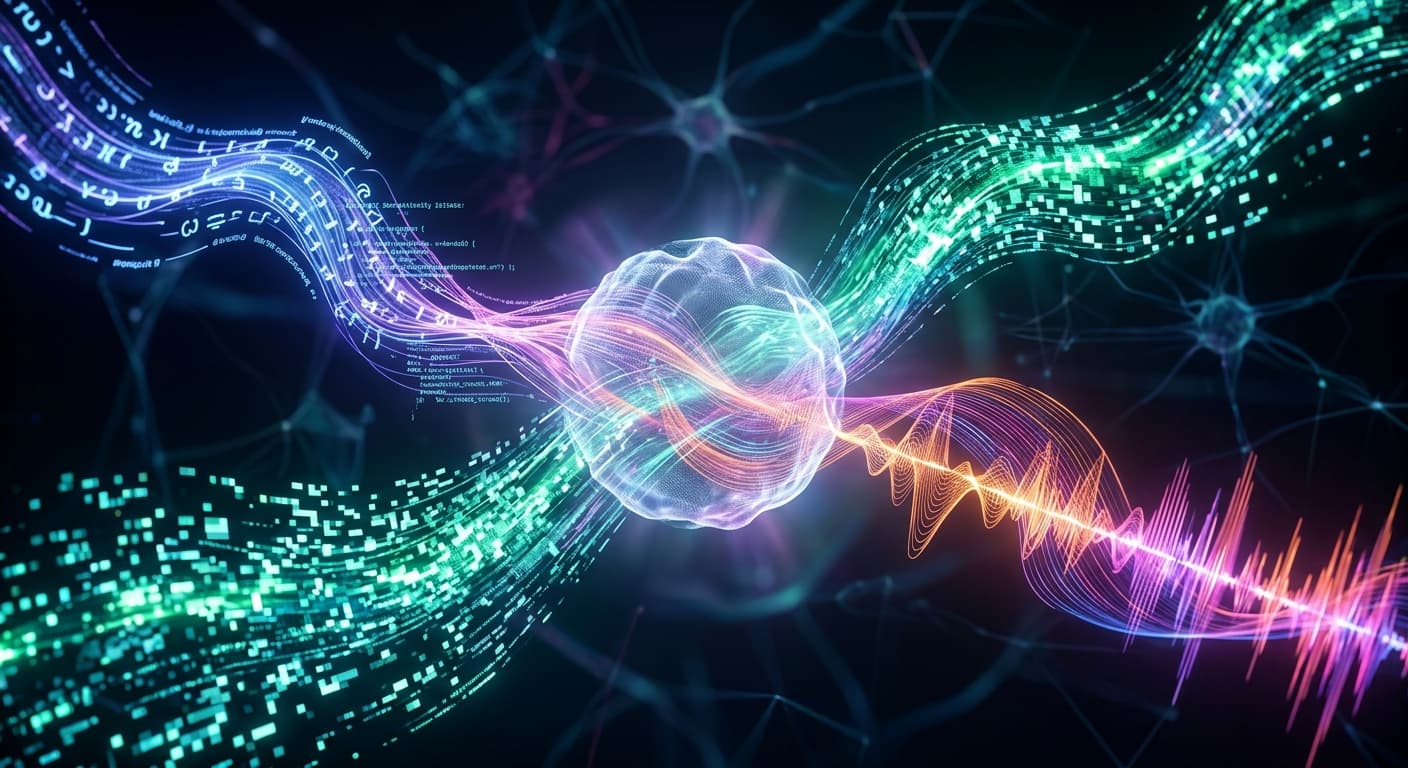
In the rapidly advancing world of artificial intelligence, the concept of multimodal AI has emerged as a revolutionary approach to processing and understanding information. By integrating various forms of input—such as text, images, and voice—multimodal AI systems are designed to interpret and generate responses that are more aligned with human-like understanding. This article delves into the intricacies of multimodal AI, its applications, and its potential impact on various industries.
What is Multimodal AI?
Multimodal AI refers to the use of multiple modes of data input to enhance the capabilities of artificial intelligence systems. Traditionally, AI models have been developed to operate in silos, focusing on a single type of data, such as text or images. However, multimodal AI seeks to break down these barriers and create systems that can understand and utilize different types of information concurrently.
Key Features of Multimodal AI
- Integration of Diverse Data Types: Multimodal AI systems can process and analyze text, images, and audio simultaneously, leading to richer and more nuanced outputs.
- Improved Contextual Understanding: By leveraging multiple data types, these systems can gain a deeper contextual understanding of the information, leading to more accurate interpretations and responses.
- Enhanced User Interaction: Users can interact with AI systems in more natural and intuitive ways, using voice commands, visual inputs, or written queries.
How Multimodal AI Works
At the core of multimodal AI are advanced algorithms that facilitate the processing of various data types. These systems often utilize deep learning techniques to learn from vast datasets that include text, images, and audio. Here's a closer look at how multimodal AI operates:
- Data Collection: The first step involves gathering a diverse range of data, including textual content, images, and voice recordings. This data is essential for training the AI model.
- Feature Extraction: The AI system extracts relevant features from each type of input. For example, it might identify key phrases in text, recognize objects in images, and capture tone and inflection in voice.
- Model Training: Using techniques such as neural networks, the AI is trained to understand relationships between different data types. For instance, it learns how certain phrases in text relate to visual elements in images.
- Inference and Response Generation: Once trained, the system can infer meaning from new data inputs and generate responses that consider all modalities. This allows for more comprehensive answers that reflect a deeper understanding of the user's query.
Applications of Multimodal AI
The applications of multimodal AI are vast and varied, spanning multiple industries. Here are some notable areas where multimodal AI is making a significant impact:
1. Healthcare
In healthcare, multimodal AI can analyze medical images, patient records, and even spoken consultations with doctors to provide holistic insights. For instance, an AI system might evaluate an X-ray, review patient symptoms described in text, and analyze a voice recording of the patient's explanation to assist in diagnosis.
2. Education
In educational settings, multimodal AI can enhance personalized learning experiences. By analyzing text input from students, visual content from educational materials, and voice interactions during lessons, AI can adapt its teaching methods to better suit individual learning styles.
3. Customer Service
Multimodal AI is transforming customer service by enabling chatbots and virtual assistants to process text queries, analyze relevant images (like product photos), and understand voice interactions. This leads to more effective support and satisfaction for users.
4. Content Creation
Content creators are leveraging multimodal AI to generate rich media experiences. For example, AI can create videos that combine text narration, images, and background music, enhancing storytelling and engagement.
Challenges in Multimodal AI
Despite its potential, multimodal AI faces several challenges that must be addressed for broader adoption:
- Data Quality and Diversity: The effectiveness of multimodal AI heavily relies on the quality and diversity of the training data. Poorly curated datasets can lead to biased or inaccurate models.
- Complexity of Integration: Combining different data modalities increases the complexity of AI systems, making them more challenging to develop and maintain.
- Interpretability: Understanding how multimodal AI systems arrive at their conclusions can be difficult, leading to challenges in trust and transparency.
Key Takeaways
- Multimodal AI integrates text, images, and voice to create systems that understand information more like humans do.
- The technology enhances user interactions and contextual understanding, resulting in improved AI responses.
- Industries such as healthcare, education, and customer service are benefiting from multimodal AI applications.
- Challenges include data quality, system complexity, and interpretability of AI decisions.
FAQs
What is the significance of multimodal AI?
Multimodal AI enhances the ability of AI systems to process and understand information more holistically, leading to improved accuracy and user interaction.
How does multimodal AI improve user experience?
By allowing users to interact through various formats—text, voice, and images—multimodal AI creates a more natural and efficient way for users to engage with technology.
What are the future prospects of multimodal AI?
As technology advances, multimodal AI is expected to become more prevalent, with applications expanding into new fields and improving existing processes across various industries.
In conclusion, multimodal AI represents a significant leap forward in the capabilities of artificial intelligence. By blending different forms of data, these systems are paving the way for more sophisticated and human-like interactions. At Clever AI, we are excited about the potential of this technology and its implications for the future of AI-driven solutions.