
AI News: WWE NXT Faces Backlash Over AI-Generated Content — August 5, 2026
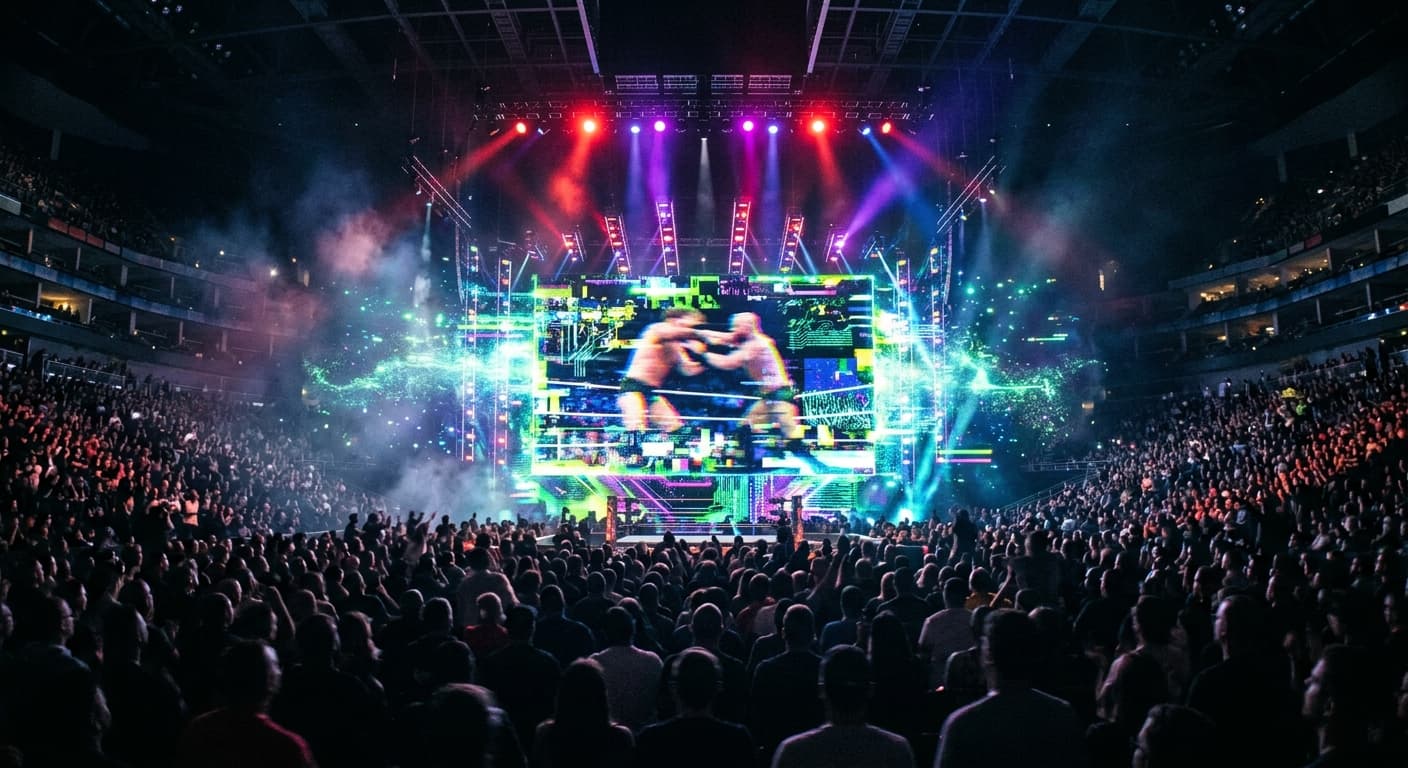
AI News: WWE NXT Faces Backlash Over AI-Generated Content — August 5, 2026
In a surprising turn of events, WWE NXT has found itself at the center of controversy due to the alleged use of AI-generated video content in its recent promos. This incident highlights the ongoing debate over the ethical implications of AI in entertainment and the need for transparency in its use. As fans express their outrage, the wrestling community is grappling with the broader implications of artificial intelligence in creative industries.
The Controversy Unfolds
The backlash began when a promo aired on WWE NXT, sparking immediate criticism from fans who believed the video relied heavily on AI technology. Critics argue that the use of AI in such a context can undermine the authenticity that wrestling fans cherish. The situation escalated when community notes were added on platforms like X, revealing that the video was not disclosed as AI-generated by WWE, leading to accusations of deceit and a lack of transparency.
Fan Reactions and Community Notes
Following the airing of the promo, social media was flooded with reactions from fans who felt betrayed by WWE's decision to potentially utilize AI in such a personal and creative sphere. The community notes on X highlighted concerns over the absence of clear labeling, which led to further scrutiny of WWE's practices. Prominent wrestling personalities like Bully Ray and Tommy Dreamer weighed in, emphasizing the importance of maintaining a connection with the audience and the potential pitfalls of relying on AI for creative content.
The Role of AI in Entertainment
The controversy surrounding WWE NXT raises important questions about the role of AI in the entertainment industry. As AI technology continues to advance, its application in creative fields is becoming more prevalent. However, the challenge lies in balancing innovation with the expectations of audiences who value human touch and authenticity in storytelling.
Key Takeaways:
- WWE NXT faces backlash over alleged use of AI-generated video content.
- Fans demand transparency regarding the use of AI in creative processes.
- Community notes on X reflect growing concerns about authenticity in entertainment.
- Wrestling personalities underscore the importance of human connection in storytelling.
Ethical Considerations in AI Use
As AI continues to weave its way into various aspects of entertainment, ethical considerations come to the forefront. The need for transparency is paramount, as audiences seek to understand how AI influences the content they consume. This incident serves as a case study for other organizations considering the integration of AI into their creative processes. The wrestling community's response could shape how AI is perceived and utilized in future projects.
Looking Ahead: The Future of AI in Wrestling
The WWE NXT incident is a pivotal moment for the wrestling industry and the broader entertainment landscape. Moving forward, organizations must navigate the fine line between leveraging AI for efficiency and maintaining the human elements that make their content relatable. The dialogue surrounding this issue is likely to continue, as fans and creators alike demand a more transparent approach to AI in entertainment.
FAQ
Q: Why are fans upset about the AI-generated content in WWE NXT? A: Fans are concerned that AI undermines the authenticity and personal touch that is integral to wrestling storytelling.
Q: What steps can organizations take to ensure transparency in AI use? A: Organizations should clearly label AI-generated content and engage with their audience about how AI is being utilized in their creative processes.
Q: How might this controversy impact the future use of AI in entertainment? A: The backlash may prompt organizations to reconsider their approach to AI, emphasizing transparency and maintaining the human connection in creative work.
As the conversation around AI in entertainment evolves, Clever AI remains committed to exploring these trends and their implications for the future of creativity and technology.