
AI News: Rick Ross Leverages Generative AI in Music
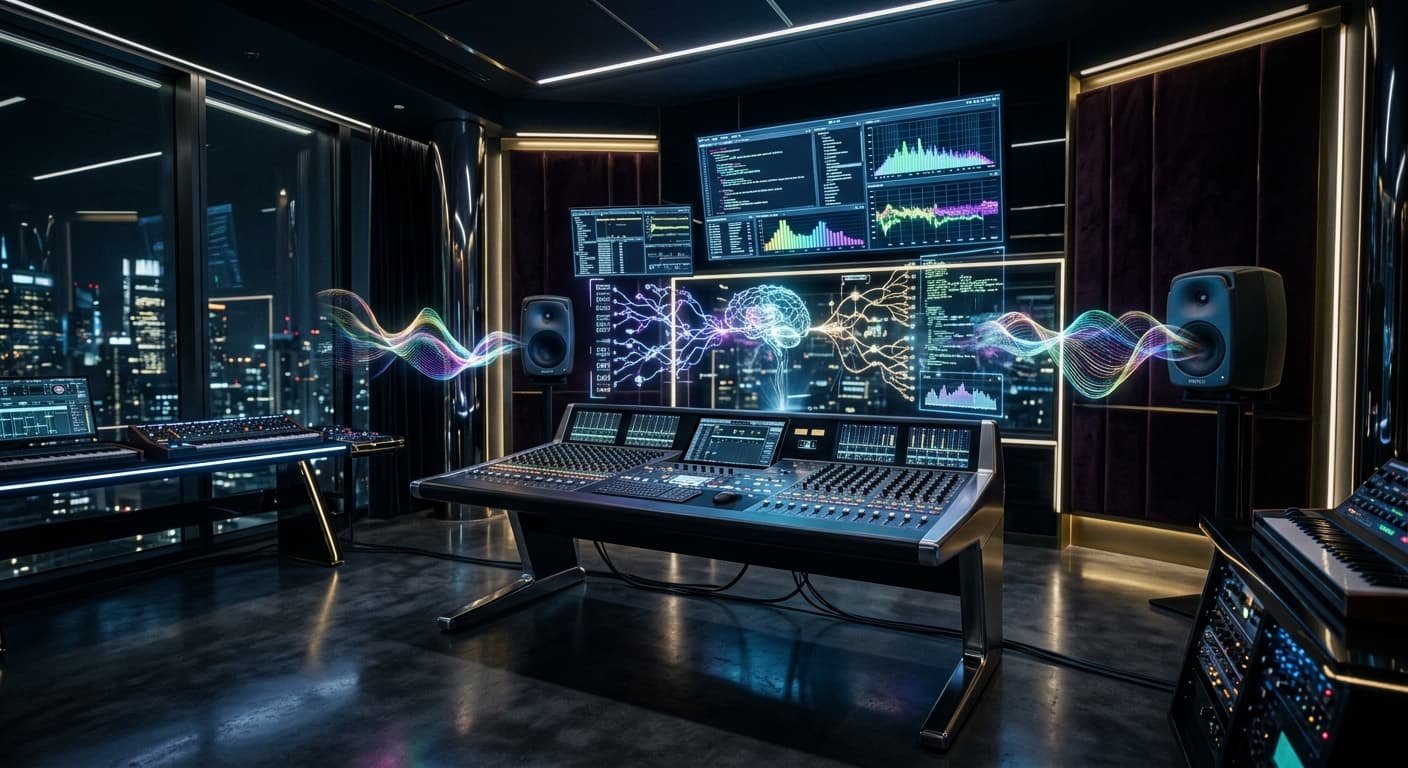
AI News: Rick Ross Leverages Generative AI in Music — October 2, 2026
In the rapidly evolving landscape of music, artists like Rick Ross are now harnessing the power of generative AI to redefine their creative processes. This trend is not just reshaping the sound of contemporary music but also influencing how artists connect with their audiences. As generative AI tools become more accessible, the music industry is witnessing a significant shift in production and creativity.
The Rise of Generative AI in Music Production
Generative AI refers to algorithms that can create new content, including music, by learning from existing data. For artists, this technology offers an innovative way to experiment with sound and composition. Rick Ross, known for his unique style and lyrical prowess, has recently started integrating AI tools into his music-making process. By leveraging AI, he can generate new beats, explore different genres, and even enhance his songwriting capabilities.
Key Takeaways:
- Generative AI allows artists to create unique sounds and compositions.
- The technology is becoming more accessible to musicians at various levels.
- Artists like Rick Ross are leading the charge in using AI for creative exploration.
How Rick Ross is Leading the Charge
Rick Ross has always been at the forefront of music innovation. By embracing AI, he is not only enhancing his own artistry but also setting a precedent for others in the industry. Reports indicate that he uses AI-driven platforms to generate beats and develop lyrical themes, allowing him to focus more on the emotional and narrative aspects of his work. This integration of technology is helping him to push the boundaries of traditional hip-hop.
Collaborations with AI Platforms
Ross's collaboration with AI platforms like OpenAI and Google Gemini has enabled him to access cutting-edge tools that can analyze trends and generate music tailored to his style. This not only accelerates the production process but also opens up new creative avenues that were previously unexplored. The results are a blend of traditional hip-hop and innovative sounds that resonate with a broad audience.
The Implications for the Music Industry
The adoption of generative AI in music production is not just a trend; it signifies a fundamental shift in how music is created and consumed. As more artists follow in Ross's footsteps, the music industry may see:
- Increased Collaboration: Artists might increasingly collaborate with AI, leading to hybrid creations that blend human creativity with machine intelligence.
- Diverse Music Styles: Generative AI can help artists experiment with and blend various genres, resulting in fresh and diverse music styles.
- Democratization of Music Production: With generative AI tools becoming widely available, aspiring artists can produce high-quality music without needing extensive resources.
Challenges and Considerations
While the integration of AI in music production offers numerous benefits, it also raises questions about authenticity and originality. Critics argue that relying too heavily on AI may dilute an artist's unique voice. Moreover, the potential for AI to generate music that closely resembles existing works could lead to copyright issues. Striking a balance between human creativity and AI-generated content will be crucial as this trend continues to evolve.
Key Takeaways:
- The integration of AI raises questions about authenticity in music.
- Copyright concerns may arise from AI-generated content.
- Artists must find a balance between human creativity and AI assistance.
Future Trends in AI and Music
As generative AI continues to develop, we can expect to see further innovations in the music industry. Future trends may include:
- Personalized Music Experiences: AI could create customized playlists and songs based on individual listener preferences.
- Real-time Collaboration: Musicians may use AI for real-time collaboration, creating music together from different locations seamlessly.
- Enhanced Live Performances: AI could enhance live performances through interactive elements that engage audiences in new ways.
FAQ
Q: How is Rick Ross using generative AI in his music? A: Rick Ross employs AI tools to generate beats and explore lyrical themes, enhancing his creative process and allowing for innovative sound exploration.
Q: What are the potential downsides of using AI in music? A: Concerns include the risk of diluting an artist's unique voice and potential copyright issues stemming from AI-generated content.
Q: Will generative AI change the way we consume music? A: Yes, as AI enables personalized music experiences and innovative collaborations, it may significantly alter how audiences engage with music.
As the music industry continues to evolve, the integration of generative AI represents a thrilling frontier for artists and listeners alike. At Clever AI, we are excited to see how these advancements will shape the future of creativity in music and beyond.