
AI News: Restaurant Chains Embrace AI Innovations
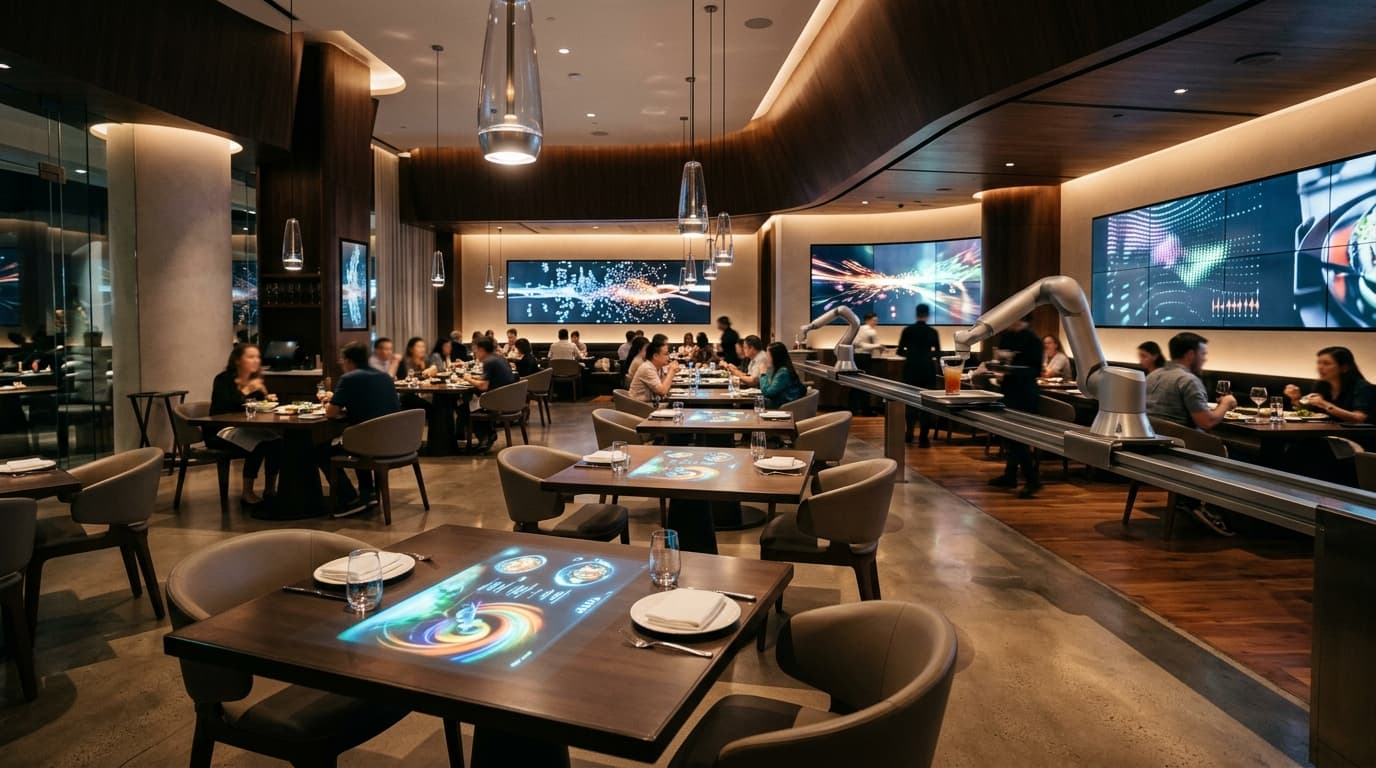
AI News: Restaurant Chains Embrace AI Innovations — August 6, 2026
The restaurant industry is experiencing a remarkable transformation as artificial intelligence (AI) takes center stage in enhancing operations and customer experiences. From personalized menus to streamlined service, chains are leveraging AI technologies to stay competitive in a rapidly evolving market. This article explores the latest developments in AI applications across major restaurant chains and what they mean for the future of dining.
The Rise of AI in the Restaurant Industry
AI's integration into the restaurant sector has gained momentum, with various chains implementing innovative solutions. This shift is not just about efficiency; it's about enhancing the customer experience, optimizing staffing, and making data-driven decisions. As competition intensifies, restaurants are turning to AI to provide unique dining experiences that cater to evolving consumer preferences.
Key Developments in AI Applications
-
Personalized Customer Experiences Major chains are utilizing AI to analyze customer data, enabling them to create personalized menus based on individual preferences and past orders. This level of customization enhances customer satisfaction and encourages repeat visits.
-
Operational Efficiency AI technologies streamline operations by optimizing inventory management and predicting demand. This helps restaurants reduce waste and manage costs effectively, a crucial factor in today’s economic climate.
-
Chatbots and Virtual Assistants Many restaurants are implementing AI-driven chatbots to handle customer inquiries and take orders. This not only reduces wait times but also allows staff to focus on more complex tasks.
-
Dynamic Pricing Models Some chains are experimenting with AI to adjust menu prices based on factors such as demand, time of day, and even weather conditions. This strategy can maximize profits while remaining competitive.
-
Enhanced Food Safety AI tools are aiding in monitoring food safety standards and compliance. By analyzing various data points, restaurants can ensure that they meet health regulations, thus protecting their customers and their reputation.
Notable Examples of AI Implementation
Several restaurant chains are leading the charge in AI adoption:
- Chili's: Known for its family-friendly dining, Chili's has integrated AI to enhance customer service and streamline operations. Reports suggest that AI is being used to analyze dining patterns and optimize menu offerings, making the dining experience more enjoyable for patrons (Futurism).
- Fast Food Chains: Quick-service restaurants like McDonald's and Taco Bell are leveraging AI for everything from drive-thru ordering to predictive analytics for inventory management. This has resulted in shorter wait times and a more efficient service (PYMNTS.com).
- Casual Dining: Chains such as Olive Garden are utilizing AI to personalize marketing efforts, targeting customers with tailored promotions based on their dining habits (Restaurant Business).
- Fine Dining: Even upscale establishments are not left behind. AI is being used to create unique dining experiences, analyzing customer preferences to craft personalized tasting menus (Nation’s Restaurant News).
The Challenges Ahead
Despite the promising advancements, the integration of AI in restaurants is not without its challenges. Ensuring data privacy and security remains a top concern, as restaurants collect vast amounts of personal information. Moreover, the reliance on technology raises questions about job displacement among service staff. Striking a balance between automation and the human touch will be crucial for the industry.
Key Takeaways
- AI is revolutionizing the restaurant industry by enhancing customer experiences and operational efficiency.
- Major chains like Chili's and McDonald's are leading in AI adoption, employing technologies for personalized service and inventory management.
- Challenges such as data privacy and job displacement must be addressed as AI becomes more prevalent in dining.
FAQ
Q: How is AI improving customer experiences in restaurants? A: AI personalizes menus, optimizes service, and reduces wait times, enhancing overall dining satisfaction.
Q: What are some risks associated with AI in the restaurant industry? A: Risks include data privacy concerns and potential job displacement for service staff.
Q: Will AI replace human staff in restaurants? A: While AI can automate certain tasks, the need for human interaction will remain essential in the dining experience.
As the restaurant industry continues to evolve, the role of AI will likely expand, presenting both opportunities and challenges. Clever AI remains at the forefront of these discussions, helping businesses navigate the future of AI in dining.