
AI News: Paige's Breakthrough in Cancer Diagnostics
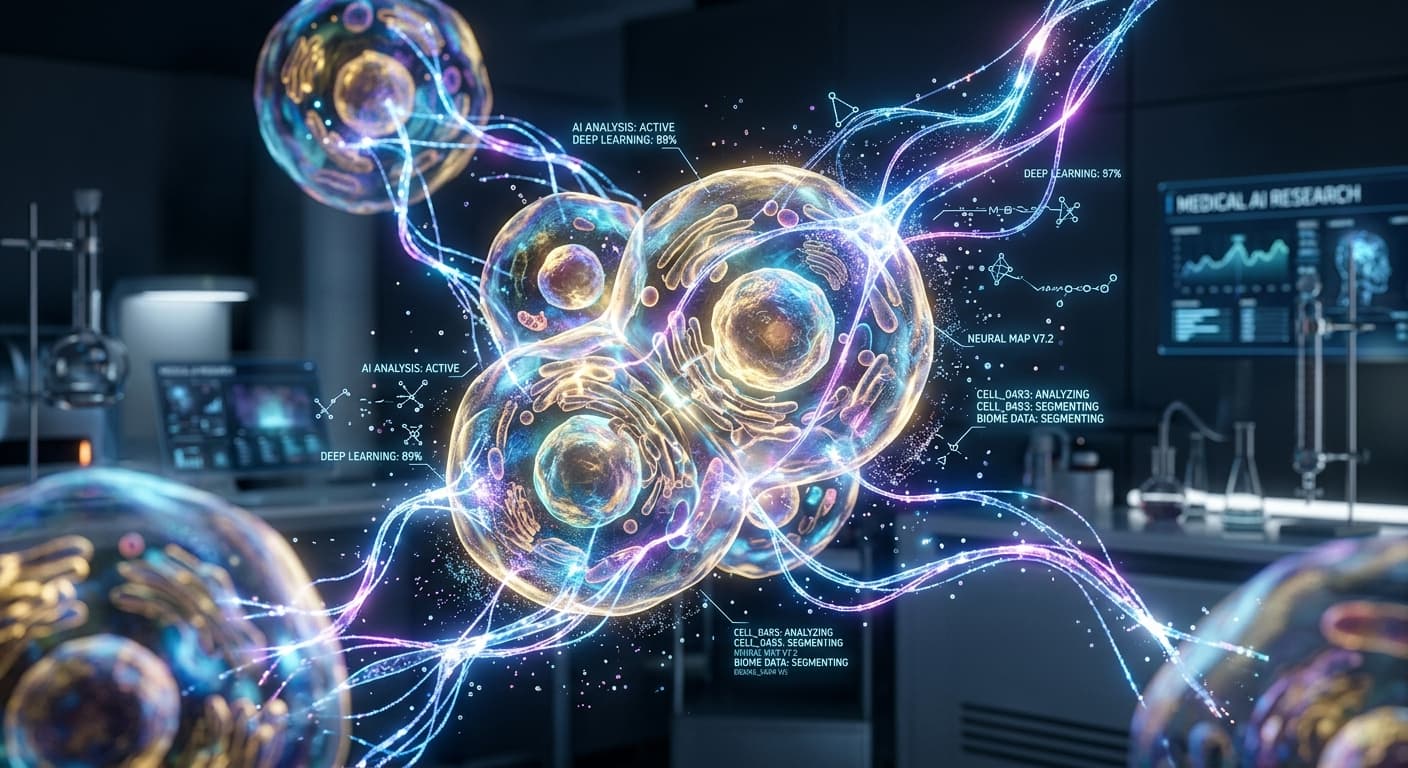
AI News: Paige's Breakthrough in Cancer Diagnostics — October 3, 2026
In the ever-evolving landscape of artificial intelligence, Paige is making headlines with its groundbreaking advancements in cancer diagnostics. This week, the company announced the launch of Paige Predict, a revolutionary diagnostic tool that harnesses the power of AI to enhance cancer detection and treatment planning. As healthcare increasingly turns to technology for solutions, Paige's innovations signal a significant step forward in the fight against cancer.
Transforming Cancer Diagnosis with AI
Paige's latest technology, Paige Predict, represents a major leap in the integration of AI within oncology. By utilizing large datasets and sophisticated algorithms, this tool aims to improve the speed and accuracy of cancer diagnosis. According to Tempus, Paige Predict is designed to assist pathologists by providing insights that can lead to more informed decisions regarding patient care.
Key Features of Paige Predict
- Enhanced Accuracy: The AI model is trained on extensive pathology data, enabling it to identify cancerous cells with a high degree of precision.
- Real-Time Insights: Pathologists can receive immediate feedback, expediting the diagnostic process and potentially reducing patient wait times.
- Support for Treatment Decisions: The tool not only aids in diagnosis but also contributes to personalized treatment strategies based on individual patient data.
The Role of PRISM2 in Multimodal AI
In addition to Paige Predict, Paige has also released PRISM2, a whole-slide foundation model that enhances its capabilities in pathology and cancer care. This multimodal AI tool is designed to analyze various types of data, including images and clinical information, to provide a comprehensive view of a patient's condition. As highlighted by Business Wire, PRISM2 can process vast amounts of information, making it a powerful ally for oncologists.
Advantages of PRISM2
- Holistic Patient Assessment: By integrating multiple data modalities, PRISM2 allows for a more thorough evaluation of patients.
- Increased Efficiency: The model streamlines workflows for healthcare professionals, potentially reducing the burden on busy pathology departments.
- Research and Development: The insights generated by PRISM2 can also support ongoing research initiatives, driving further advancements in cancer treatment.
Implications for the Future of Cancer Care
The introduction of Paige Predict and PRISM2 has profound implications for the future of cancer care. These tools not only promise to enhance diagnostic accuracy but also aim to foster a more personalized approach to treatment. As healthcare systems worldwide continue to grapple with the challenges posed by cancer, AI-driven solutions like those from Paige could play a crucial role in improving patient outcomes.
Industry Response
The reception of these innovations has been overwhelmingly positive, with industry experts noting the potential for AI to revolutionize cancer diagnostics. As noted in a recent article from IEEE Spectrum, the integration of AI in medical settings is not just about efficiency; it’s about saving lives through better, faster diagnoses.
Key Takeaways
- Paige Predict is set to enhance cancer diagnostics by providing real-time insights and improving accuracy.
- PRISM2 offers a multimodal approach to pathology, integrating various data types for comprehensive patient assessments.
- The advancements from Paige signal a significant shift towards AI-driven solutions in healthcare, particularly in oncology.
FAQ
Q: How does Paige Predict enhance cancer diagnosis? A: Paige Predict improves diagnosis accuracy by analyzing large datasets and providing real-time insights to pathologists.
Q: What is PRISM2 and how does it function? A: PRISM2 is a whole-slide foundation model that integrates multiple data types to provide a comprehensive assessment of patient conditions.
Q: Why is the integration of AI important in healthcare? A: AI can significantly enhance diagnostic accuracy, reduce wait times, and support personalized treatment strategies, ultimately improving patient care.
As we look to the future, innovations like those from Paige will likely continue to shape the landscape of cancer care and diagnostics, paving the way for more effective treatments and better patient outcomes.