
AI News: Clay Matthews Controversy Over AI-Enhanced Photos
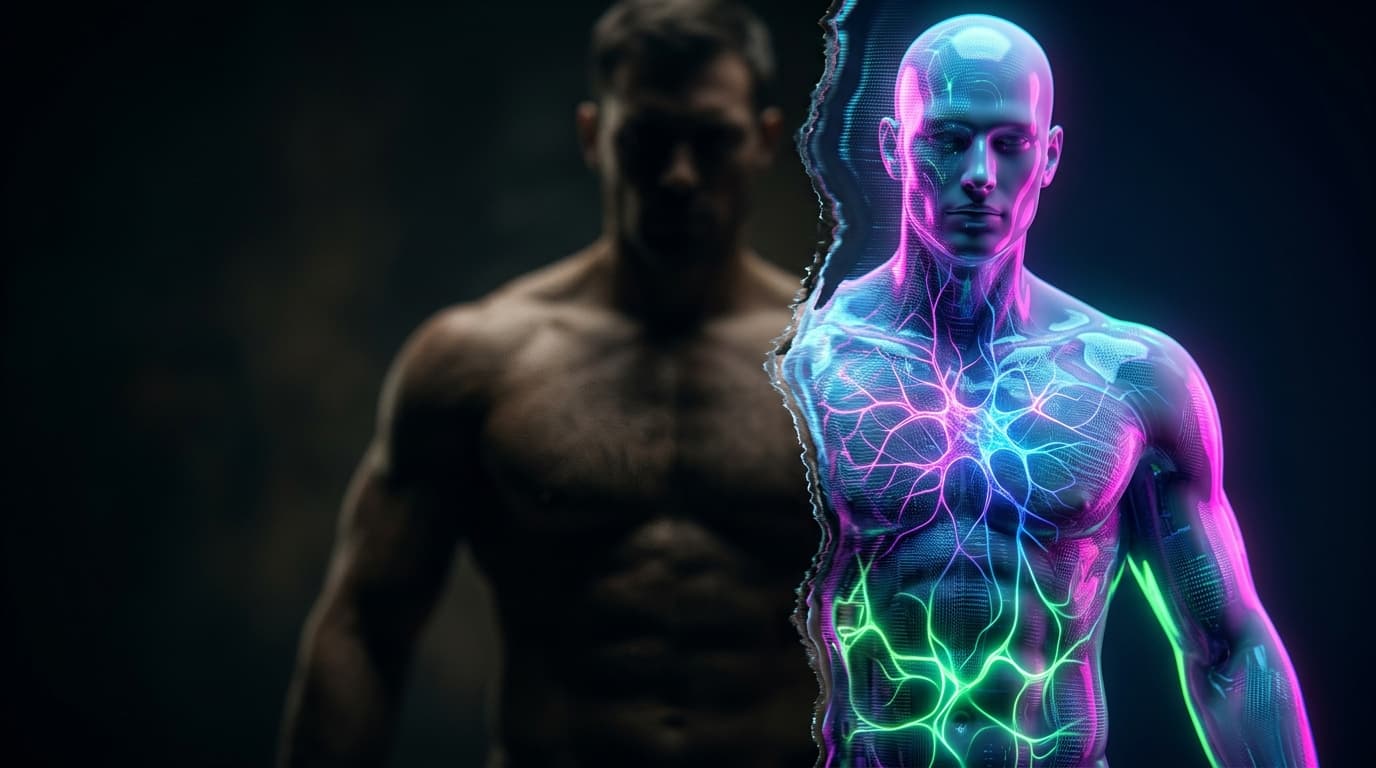
AI News: Clay Matthews Controversy Over AI-Enhanced Photos
In the digital age, the lines between reality and artificial intelligence are becoming increasingly blurred. Recently, former NFL star Clay Matthews found himself at the center of a controversy after a series of photos circulated online, allegedly using AI enhancements that transformed his appearance dramatically. These images have ignited discussions about authenticity, identity, and the implications of AI in our daily lives.
The Controversial Photos
The images that sparked the uproar appear to show Matthews with a significantly altered face and body, leading many to question whether they are genuine or the result of AI manipulation. Fans and commentators took to social media to express their disbelief, with some humorously suggesting that the altered photos resembled a cartoon character more than the athlete himself. A popular Facebook post quipped, "That's not Clay Matthews, that's the Crimson Chin," highlighting the drastic changes depicted in the images.
Public Reaction and Speculation
The public response has been mixed, with many expressing concern over the implications of AI-enhanced imagery. Some fans speculated that Matthews might have undergone plastic surgery, while others pointed out the likelihood of AI technology being responsible for the drastic changes. The Hindustan Times noted that these discussions have led to a broader conversation about the authenticity of images shared on social media and the potential for misleading representations of individuals.
The Role of AI in Image Manipulation
Artificial intelligence has made significant strides in recent years, especially in the realm of image and video editing. Tools powered by AI can manipulate facial features, body shapes, and even expressions with remarkable precision. As this technology becomes more accessible, the potential for misuse grows, raising ethical questions about consent and the impact on personal identity.
The Fine Line Between Enhancement and Deception
While AI can be used for creative purposes, such as enhancing artistic expression or improving visual content, it can also lead to deception. The Clay Matthews incident serves as a case study in how easily images can be manipulated and the potential consequences of such alterations. As viewers, we must consider the source and authenticity of the images we consume, particularly in a world where AI tools are becoming commonplace.
Key Takeaways
- Clay Matthews' altered photos have sparked debate over AI's role in image manipulation.
- Public reaction ranges from humor to concern about authenticity.
- AI technology allows for significant alterations to images, raising ethical questions.
- The incident highlights the need for critical thinking regarding the images we encounter online.
FAQ
Q: Why are the photos of Clay Matthews so controversial? A: The photos depict a dramatically altered version of Matthews, leading to speculation about AI manipulation and authenticity.
Q: What does this incident reveal about AI technology? A: It highlights the potential for both creative enhancement and deception in images, raising ethical concerns about identity and consent.
Q: How should we approach images shared on social media? A: It's essential to critically evaluate the authenticity of images and consider the possibility of AI manipulation.
As conversations around AI and its implications continue to evolve, it's crucial for us to remain informed and engaged. The Clever AI blog provides insights into these developments, helping you navigate the complexities of artificial intelligence in today's world.