
AI News: British Airways Leverages AI for Aircraft Operations — October 5, 2026
AI News: British Airways Leverages AI for Aircraft Operations — October 5, 2026
In a significant move towards automation and efficiency, British Airways has announced the integration of artificial intelligence (AI) technology to streamline aircraft turnarounds at Heathrow Airport. This development marks a pivotal moment in the aviation industry, where AI is increasingly becoming a cornerstone for operational excellence.
The Role of AI in Aviation
Artificial intelligence has begun reshaping various sectors, with aviation being one of the most affected. The deployment of AI technologies can enhance operational efficiency, reduce costs, and improve customer service.
How AI Enhances Aircraft Turnarounds
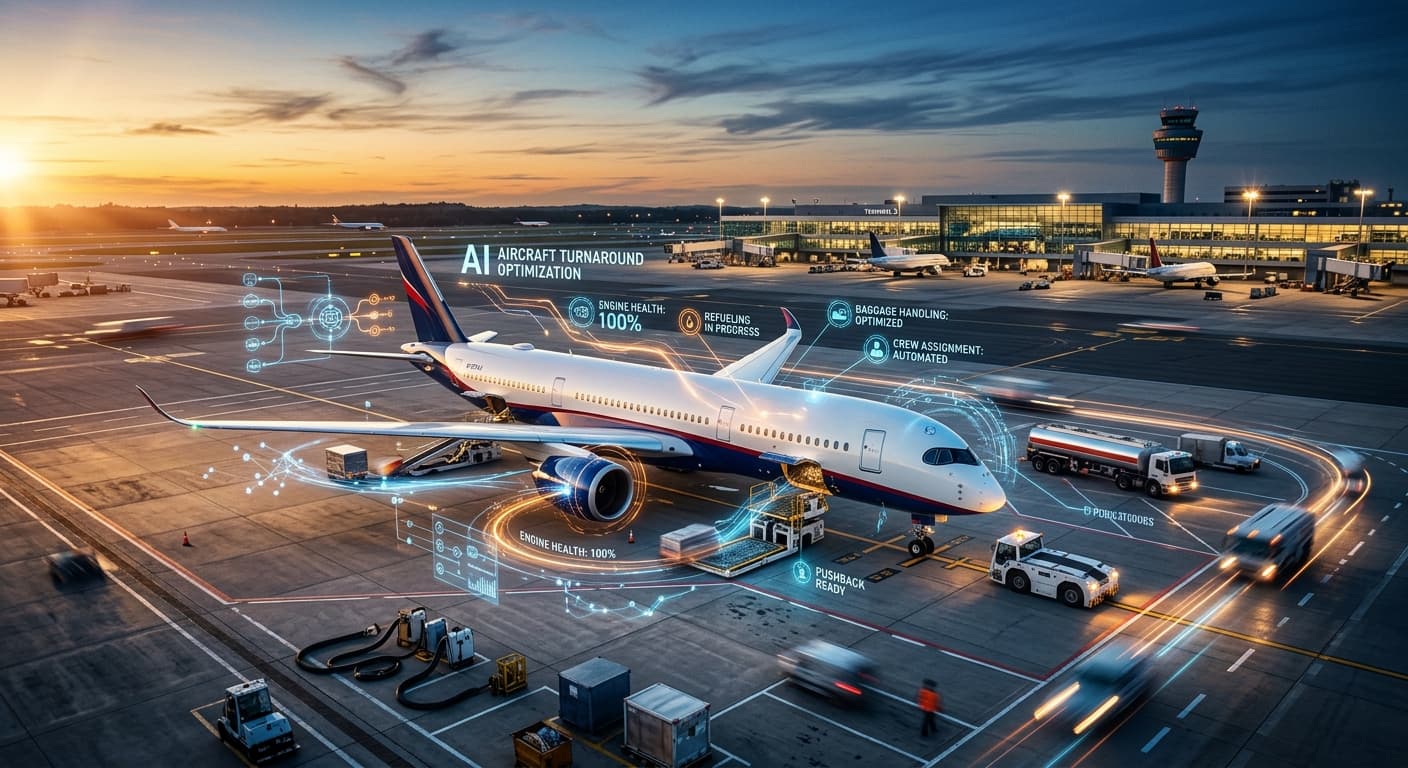
British Airways is utilizing AI to optimize the aircraft turnaround process, which is critical to maintaining schedule integrity. By automating aspects of this operation, the airline aims to:
- Reduce Turnaround Time: AI algorithms analyze various data points, such as weather conditions and ground crew availability, to predict and minimize delays.
- Enhance Safety: AI can monitor and alert staff to potential safety hazards, ensuring compliance with safety regulations.
- Improve Resource Allocation: By understanding patterns in aircraft movements, AI can assist in efficiently deploying ground staff and equipment.
This strategic implementation of AI not only enhances the customer experience by minimizing delays but also contributes to operational sustainability by reducing fuel consumption during extended ground times.
Broader Implications for the Travel Industry
The integration of AI in aviation is part of a larger trend affecting the travel industry. According to OAG Aviation, AI is reshaping how travel companies manage operations, customer interactions, and logistics.
Key Areas of AI Impact in Travel
- Personalized Customer Experiences: AI systems analyze customer data to provide tailored travel recommendations, enhancing overall satisfaction.
- Dynamic Pricing Models: Advanced algorithms allow airlines to adjust prices based on real-time demand, optimizing revenue.
- Predictive Maintenance: AI helps in monitoring aircraft health, predicting maintenance needs before issues arise, thus ensuring safety and efficiency.
British Airways' Forward-Thinking Strategy
British Airways’ CEO Sean Doyle has expressed optimism about the future of AI in the airline industry. The recent technology adoption reflects the airline's commitment to innovation and operational excellence. As reported by Wings Magazine, the airline is not just looking at short-term benefits but considering long-term strategies that will position them favorably in a competitive market.
Challenges Ahead
Despite the promising benefits, the transition to AI-driven operations is not without challenges. Concerns regarding job displacement and the need for robust cybersecurity measures are paramount. Additionally, there is apprehension among some travelers about AI making decisions that could impact their travel experiences, as highlighted on Reddit.
Key Takeaways
- British Airways is integrating AI to streamline aircraft operations at Heathrow.
- AI enhances turnaround efficiency, safety, and resource allocation.
- The broader travel industry is experiencing similar AI-driven transformations.
- Challenges such as job displacement and cybersecurity need addressing.
Frequently Asked Questions
What specific AI technologies is British Airways using?
British Airways has not disclosed the specific technologies but is leveraging algorithms that analyze operational data for optimized turnaround processes.
How will AI affect airline jobs?
While AI may automate certain tasks, it also creates opportunities for new roles focused on technology management and customer service.
What are the long-term benefits of AI in aviation?
Long-term benefits include improved safety, reduced operational costs, and enhanced customer experiences through personalization and efficiency.
As British Airways continues to innovate with AI, the airline industry stands on the brink of a technological revolution that promises to enhance travel experiences while maintaining operational excellence. Stay tuned to Clever AI for more insights on AI advancements shaping our world.