AI News: The Intersection of Art and Technology — October 11, 2026
AI News: The Intersection of Art and Technology — October 11, 2026
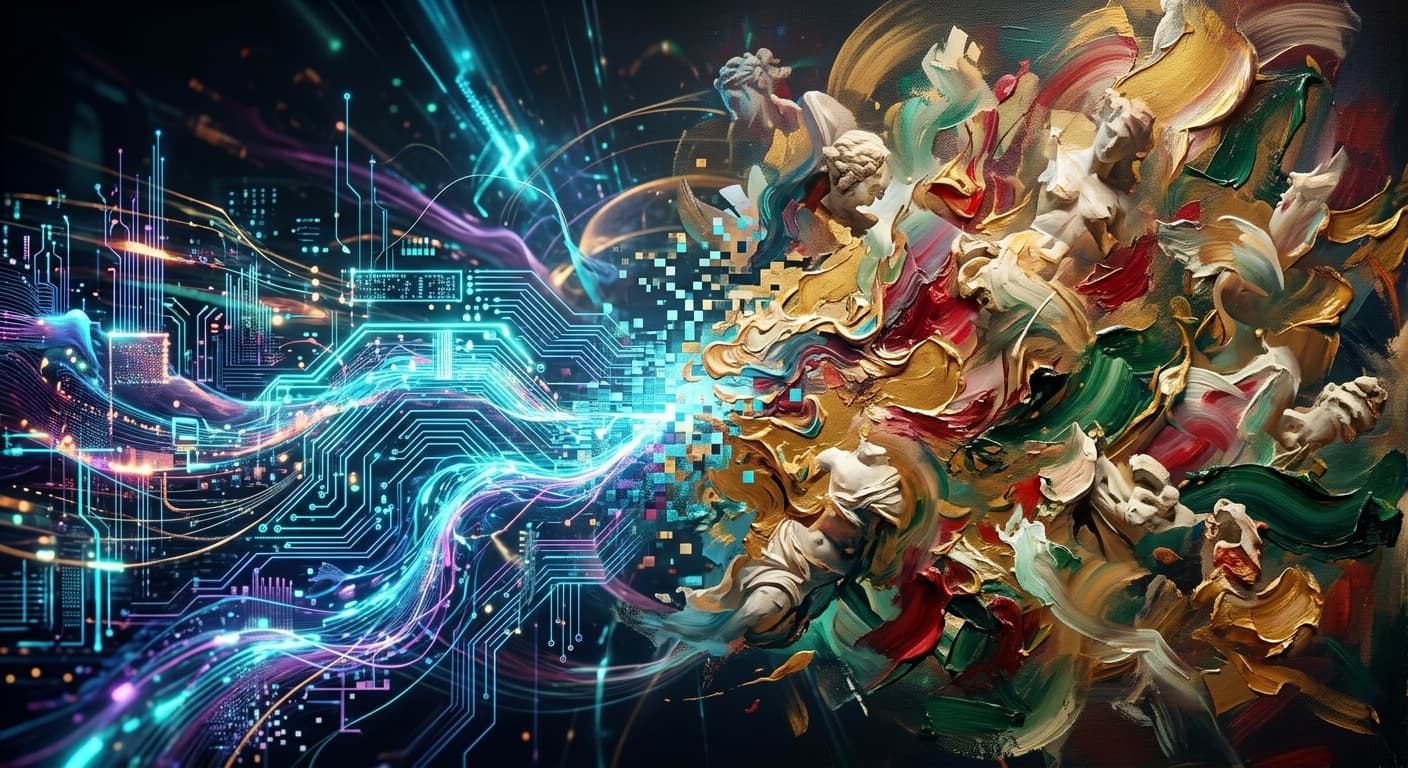
In recent years, artificial intelligence has transformed various sectors, and the art world is no exception. As we enter a new era of creativity, the blending of AI and traditional artistry is sparking discussions about ownership, creativity, and the future of artistic expression. This article explores significant developments in AI-generated art and how they reshape our understanding of creativity.
The Rise of AI Art
AI-generated art has gained momentum in recent years, with numerous artists and technologists collaborating to push the boundaries of traditional creativity. This surge in AI art is not just a trend but a movement that challenges our perceptions of authorship and originality. Artists are now leveraging algorithms to create stunning works that provoke thought and invite viewers to reconsider what art truly is.
Key Takeaways:
- AI art is becoming mainstream, with artists using algorithms to create unique pieces.
- The debate over ownership and creativity has intensified as AI-generated works gain recognition.
- Institutions are beginning to adopt AI art in innovative ways.
Brooklyn Public Library: A Case Study
Recently, the Brooklyn Public Library made headlines for its initiative to incorporate AI-generated art into its social media presence. By sharing AI art in tweets, the library has not only engaged with the community but also highlighted the potential of technology to enhance cultural experiences. This move illustrates how traditional institutions are embracing AI to stay relevant in a rapidly evolving digital landscape.
Creativity and Ownership: The Ongoing Debate
The question of whether humans can truly own creativity has become increasingly relevant as AI art continues to evolve. Many argue that the use of AI tools dilutes the essence of artistic expression, while others believe it opens new avenues for creativity. According to discussions sparked by recent exhibitions, the line between human and machine creativity is becoming increasingly blurred, prompting a reconsideration of what it means to be an artist today.
Key Takeaways:
- The ownership of AI-generated art raises complex legal and ethical questions.
- Artists are divided on whether AI enhances or detracts from their creative process.
- Ongoing debates in the art community reflect broader societal changes regarding technology and creativity.
AI Art in Popular Culture
As AI art gains traction, it is also making its way into popular culture. From galleries to social media, AI-generated pieces are being showcased alongside traditional works. This integration not only elevates the visibility of AI art but also encourages broader acceptance among audiences who may be skeptical of technology's role in creativity. High-profile exhibitions and collaborations are paving the way for a future where AI and human creativity coexist harmoniously.
Future Implications for Artists
The implications of AI in the art world extend far beyond aesthetics. Artists must adapt to a landscape where AI tools are commonplace, learning how to incorporate these technologies into their creative processes. The future may see a new breed of artist who seamlessly blends traditional techniques with AI, creating hybrid forms of art that challenge conventional definitions.
Key Takeaways:
- Artists will need to embrace AI tools to remain competitive in the evolving art landscape.
- Hybrid art forms may redefine traditional artistic disciplines.
- The future of art may be collaborative, involving both human and AI creativity.
FAQ
Q: Can AI-generated art be considered original? A: This is a debated topic; many believe that AI art lacks the personal touch of human artists, while others argue that it represents a new form of originality.
Q: What are the legal implications of AI art ownership? A: The legal landscape is still developing, as current copyright laws do not clearly define ownership of works created by AI.
Q: How can artists benefit from using AI? A: Artists can use AI to enhance their creative processes, explore new styles, and reach wider audiences through innovative works.
As the dialogue around AI and art continues to evolve, it is essential for both artists and audiences to engage with these changes thoughtfully. At Clever AI, we believe in exploring the potential of technology to enrich creative expressions in all forms.
Sources
- Is the Brooklyn Public Library using AI art in their tweets?
- Do humans own creativity? Advent of AI art spurs deep ...
- APRIL 2021: Unlocking New Possibilities in Art & AI - Medium
- Day 1 When Art Meets the Algorithm: Expanding Creativity in ...
- Artists use artificial intelligence to bring their creations to life