
AI News: Air Force One's AI Test Flight — August 11, 2026
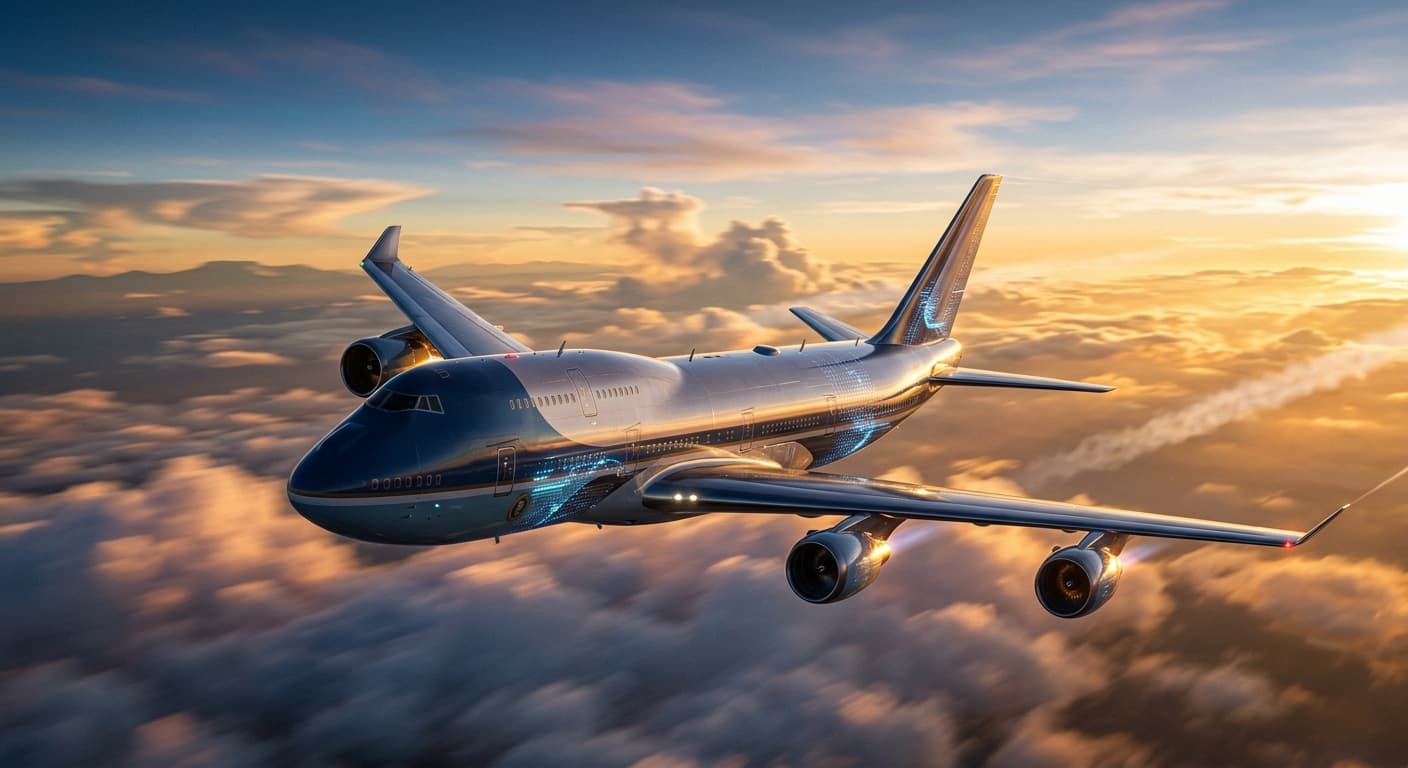
AI News: Air Force One's AI Test Flight — August 11, 2026
The integration of artificial intelligence into military operations is rapidly evolving, with significant developments occurring in the U.S. Air Force. Recently, the Air Force achieved a groundbreaking milestone by successfully conducting its first military flight utilizing AI technology. This marks a pivotal advancement in the ongoing journey toward integrating AI into aviation, particularly in high-stakes environments like military operations.
A Milestone in Military Aviation
The U.S. Air Force has taken a monumental step by completing its first flight with an AI co-pilot. This achievement not only demonstrates the capabilities of AI in managing complex flight operations but also paves the way for future unmanned aircraft systems. The flight involved advanced algorithms that enabled the AI to assist in navigation and decision-making processes, showcasing its potential to enhance operational efficiency and safety.
Key Takeaways:
- The Air Force successfully conducted its first flight with an AI co-pilot.
- AI technologies are being integrated to support navigation and decision-making.
- This advancement is a step toward full autonomy in military aviation.
The Role of AI in Modern Warfare
AI's role in military applications is expanding beyond simple automation. The Air Force's initiative aims to develop aircraft that can operate autonomously or in tandem with human pilots. This dual approach could lead to a new era of air combat where AI systems assist human operators or even take over in critical scenarios, reducing risk to personnel and enhancing mission success rates.
Implications for Future Combat
The implications of AI integration in military aviation are profound. By utilizing AI, the Air Force aims to:
- Increase the speed of decision-making in combat situations.
- Reduce human error during critical missions.
- Enable the operation of unmanned aircraft that can carry out missions without direct human oversight.
The Quest for Unmanned Wingman Aircraft
As the Air Force pushes the boundaries of AI in aviation, the concept of unmanned wingman aircraft is gaining traction. These AI-powered drones are envisioned to accompany manned fighter jets, providing additional support and capabilities. The AI's ability to process vast amounts of data in real time could give human pilots a tactical advantage, allowing them to focus on strategic decision-making rather than routine operational tasks.
Future of Air Force Operations
The potential for unmanned wingman aircraft represents a significant shift in military strategy. As these technologies continue to develop, we may see:
- Enhanced capabilities in surveillance and reconnaissance missions.
- The ability to engage in combat scenarios with reduced risk to human life.
- A fundamental change in how air power is projected in conflicts.
Public Perception and Ethical Considerations
While the advancements in AI for military applications are promising, they also raise important ethical questions. The prospect of machines making life-and-death decisions is a topic of heated debate. As the Air Force continues to innovate, it must also consider the implications of AI deployment on the battlefield, including:
- Accountability for actions taken by autonomous systems.
- The potential for escalation in conflicts due to AI-driven decisions.
- The need for robust regulations governing the use of AI in warfare.
Balancing Innovation with Responsibility
The challenge lies in balancing the benefits of AI innovation with the ethical considerations that come with it. Transparency, rigorous testing, and adherence to international laws will be crucial as the Air Force and other military branches explore AI's potential.
Conclusion: The Future of AI in Aviation
The recent developments in the Air Force's use of AI represent just the beginning of a larger trend toward integrating artificial intelligence into military aviation. As AI technologies continue to evolve, their impact on military strategy, operational efficiency, and ethical considerations will be profound. The air force's commitment to exploring AI's capabilities signals a future where technology and human expertise work hand in hand to redefine air combat.
As we witness these advancements, it’s essential to engage in discussions about the implications of AI in our lives and industries, including the insights shared on platforms like Clever AI.
Sources
- Air Force achieves first military flight with artificial intelligence
- AI test flight moves Air Force one step closer to unmanned ' ...
- AI in the military: Testing a new kind of air force
- This is an Ai-generated video of Air Force One and F-35 jets ...
- Pentagon takes action against former Air Force Secretary