
AI in Restaurants: Transforming the Dining Experience
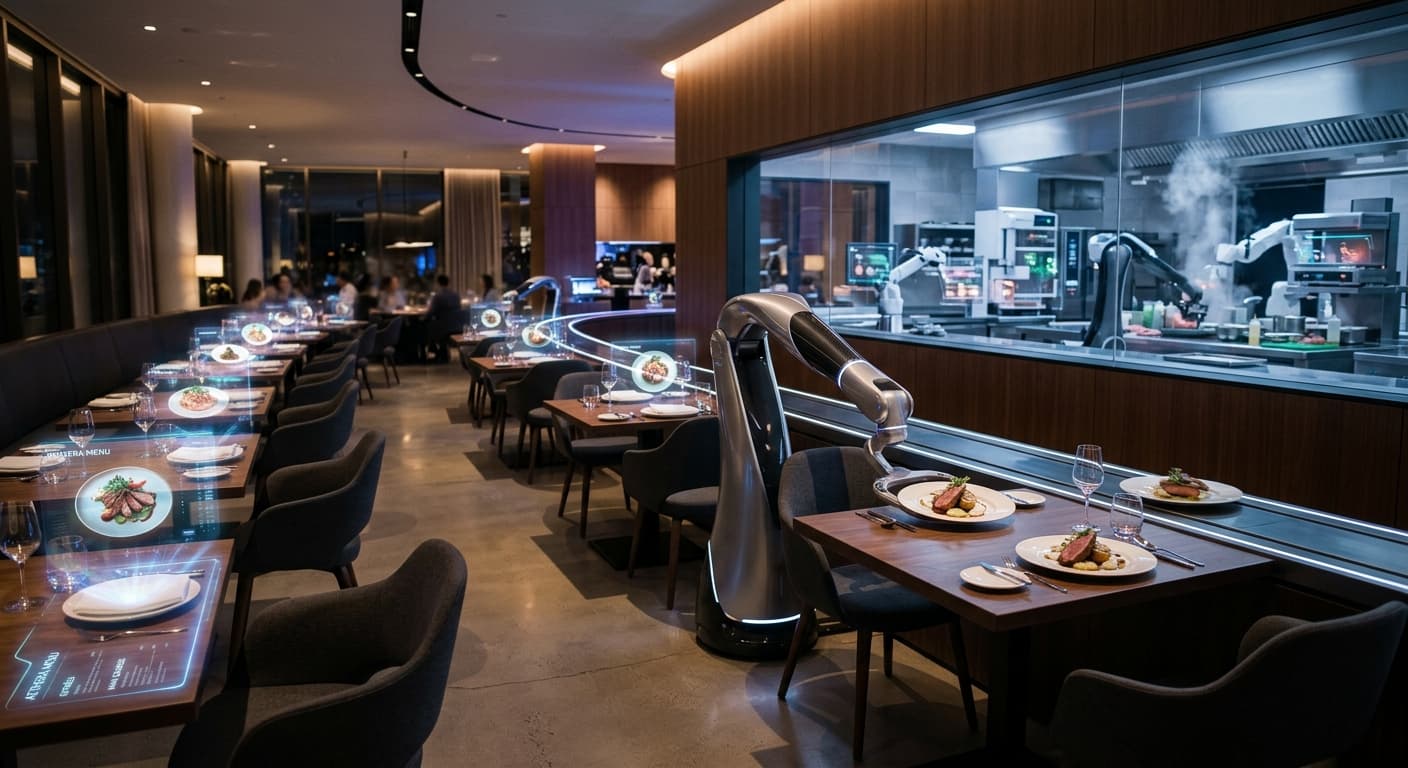
AI in Restaurants: Transforming the Dining Experience
As the restaurant industry continues to evolve, artificial intelligence (AI) is playing a crucial role in reshaping how dining experiences are delivered. From enhancing customer service to optimizing operations, AI technologies are being embraced by both large chains and independent establishments. In this article, we explore the latest developments in AI applications within the restaurant sector and what they mean for the future of dining.
The Rise of AI in Chain Restaurants
Major restaurant chains are increasingly leveraging AI to stay competitive in a rapidly changing market. Companies such as McDonald's and Domino's have integrated AI into their operations, focusing on improving efficiency and customer engagement. For instance, McDonald's has been utilizing AI-driven data analytics to personalize marketing efforts and streamline its supply chain processes. This technology enables them to analyze customer preferences and adjust menu items accordingly, which enhances customer satisfaction while minimizing waste.
Independent Restaurants: Bridging the Gap
While larger chains have the resources to invest in advanced AI technologies, independent restaurants are also finding ways to integrate these tools into their operations. According to recent insights, AI can help smaller establishments remain competitive by providing data-driven insights that allow them to understand customer behavior and preferences better. Tools like AI-based reservation systems and chatbots for customer interaction are becoming more accessible, enabling independent restaurants to offer a level of service that rivals larger competitors.
AI-Driven Customer Engagement
One of the most significant applications of AI in restaurants is enhancing customer engagement. AI chatbots and virtual assistants are being used to take orders, answer customer inquiries, and provide personalized recommendations. For example, certain restaurants are implementing AI systems that analyze past orders to suggest meals that customers are likely to enjoy. This not only improves the customer experience but also drives sales by encouraging customers to try new items.
Streamlining Operations with AI
AI is not only about customer interaction; it also plays a vital role in streamlining restaurant operations. Many establishments are adopting AI systems for inventory management, staff scheduling, and even kitchen automation. These systems can predict inventory needs based on historical data, ensuring that restaurants are stocked with the right ingredients while minimizing food waste. Furthermore, AI can optimize staffing levels based on expected foot traffic, helping restaurants manage labor costs effectively.
Challenges and Considerations
Despite the numerous benefits of AI in the restaurant industry, there are challenges to consider. The initial investment in AI technology can be significant, which may deter some independent restaurants from adopting these tools. Additionally, there is a need for staff training to ensure that employees can effectively use AI systems. As the industry adapts to these changes, finding the right balance between technology and human interaction will be essential to maintain the essence of dining out.
Key Takeaways
- AI is reshaping the restaurant industry by enhancing customer engagement and streamlining operations.
- Larger chains like McDonald's and Domino's are leading the way, utilizing AI for personalized marketing and supply chain optimization.
- Independent restaurants are also adopting AI, albeit at a slower pace, to remain competitive with larger establishments.
- AI-driven systems are improving operational efficiency, helping to manage inventory and staff more effectively.
- Challenges remain, including high initial costs and the need for staff training.
FAQ
How are restaurant chains currently using AI?
Restaurant chains are using AI for customer engagement, personalized marketing, inventory management, and optimizing operational efficiency. For example, some chains use AI systems to analyze customer preferences and adjust menu offerings accordingly.
Can independent restaurants benefit from AI?
Yes, independent restaurants can benefit from AI by using tools that provide insights into customer behavior and preferences, as well as enhancing operational efficiency through inventory management and staffing solutions.
What challenges do restaurants face when implementing AI?
The main challenges include the high initial costs of AI technology, the need for staff training, and finding the right balance between technology and personal service.
As AI continues to evolve, its impact on the restaurant industry will only grow, offering exciting possibilities for both customers and business owners alike. At Clever AI, we are committed to exploring these innovations and how they shape various industries.