
AI in Aviation: Transforming the Airline Industry
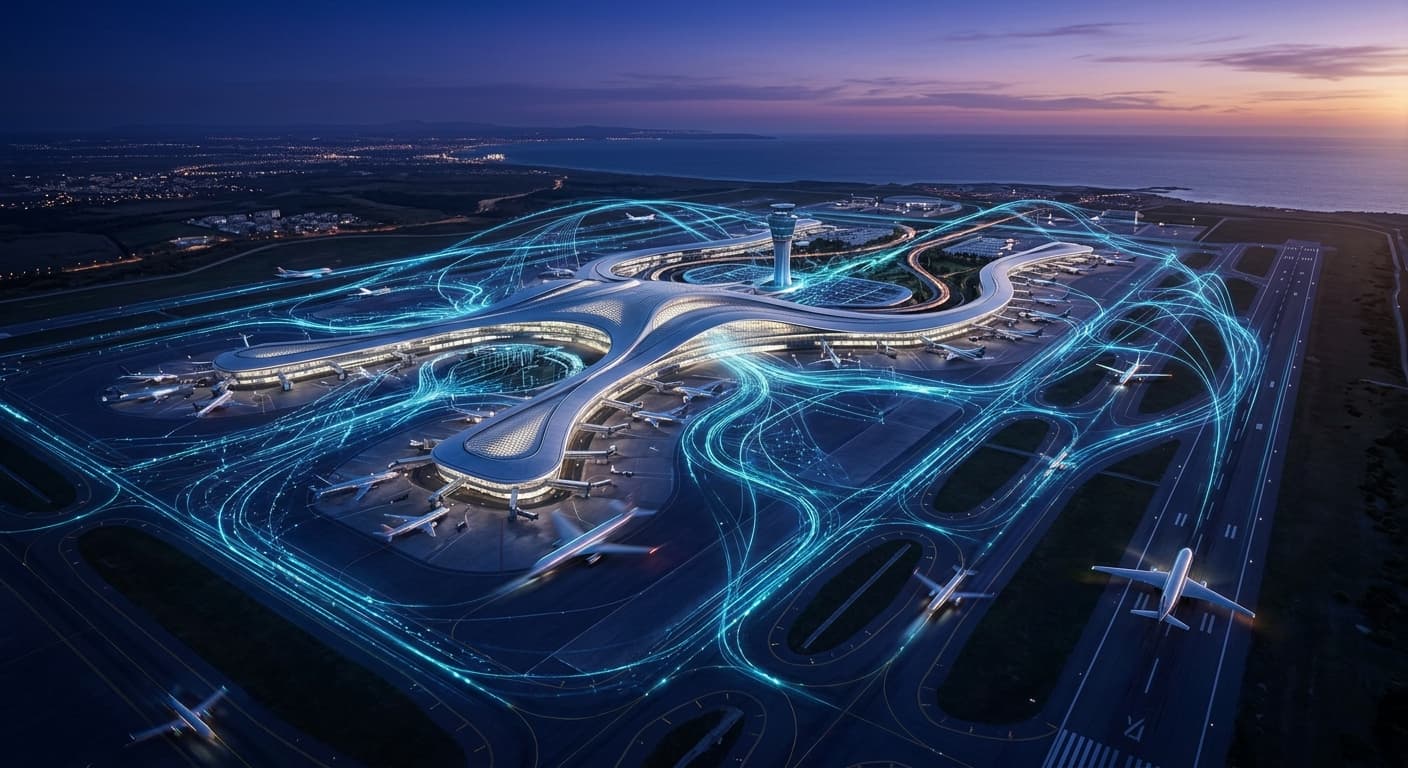
AI in Aviation: Transforming the Airline Industry
The airline industry is undergoing a significant transformation thanks to artificial intelligence (AI). From enhancing customer experiences to optimizing operational efficiency, AI is reshaping how airlines operate and interact with passengers. As we dive into the latest trends and developments, it's clear that AI is not just a buzzword; it’s a game changer in aviation.
The Evolution of AI in Airlines
In recent years, airlines have begun to embrace AI technologies at an accelerating pace. As highlighted by PhocusWire, many airlines are taking a cautious approach to AI deployment, weighing potential benefits against the risks involved. This tentative strategy reflects a broader trend in the industry as airlines look to integrate AI without overwhelming their existing systems and structures.
Key Strategies Shaping the Future of Airlines
Several strategies are emerging as airlines look to harness AI's potential. According to TNMT, there are three primary strategies that are shaping the future of aviation:
- Personalization of Customer Experience: Airlines are utilizing AI to enhance customer interaction by providing tailored services. This includes personalized booking experiences and targeted promotions based on customer behavior.
- Operational Efficiency: AI is being deployed to streamline operations. This encompasses everything from predictive maintenance of aircraft to optimizing flight schedules, reducing delays and improving overall efficiency.
- Revenue Management: AI-driven analytics are allowing airlines to better manage pricing strategies, leading to maximized revenue per flight. By analyzing market trends and customer preferences, airlines can adjust fares in real time to optimize sales.
AI and Customer Experience
One of the most notable impacts of AI in the airline industry is on customer experience. As reported by Fox News, AI is changing the way travelers book airline tickets, making the process more intuitive and user-friendly. For instance, many airlines now use chatbots powered by AI to assist customers in real-time, answering queries and helping with bookings.
Moreover, American Airlines has pioneered the use of AI in enhancing customer service. They have implemented AI solutions that predict customer needs and proactively offer assistance, improving passenger satisfaction and loyalty.
The Role of Data in AI Adoption
Data is the backbone of any AI initiative. Airlines are increasingly investing in data collection and analysis to feed their AI systems. This investment allows airlines to refine their algorithms continuously, ensuring they remain competitive in a rapidly evolving industry. The integration of AI with big data analytics provides airlines with actionable insights, enabling them to make informed decisions.
Challenges and Considerations
While the benefits of AI are numerous, the airline industry faces challenges in its implementation. As noted in various sources, including American Airlines, there is a need for robust infrastructure and a skilled workforce to manage AI systems effectively. Additionally, data privacy concerns must be addressed to maintain customer trust.
Key Takeaways
- AI is reshaping the airline industry through enhanced customer experiences and operational efficiencies.
- Airlines are adopting personalized services and dynamic pricing strategies using AI.
- Data plays a crucial role in the success of AI initiatives in aviation.
- Challenges such as infrastructure and workforce readiness must be addressed for successful AI deployment.
FAQs
Q1: How is AI improving customer service in airlines? A1: AI enhances customer service through chatbots and personalized service offerings, making booking and support more efficient.
Q2: What are the main strategies airlines are using to implement AI? A2: Airlines are focusing on personalization, operational efficiency, and revenue management as key strategies for AI implementation.
Q3: What challenges do airlines face with AI adoption? A3: Major challenges include the need for robust infrastructure, skilled personnel, and addressing data privacy concerns.
As the airline industry continues to embrace AI, we at Clever AI are excited to see how these advancements will further enhance travel experiences and operational efficiencies in the coming years.