
AI Daily News: New Advances in AI-Piloted Fighter Jets — May 30, 2026
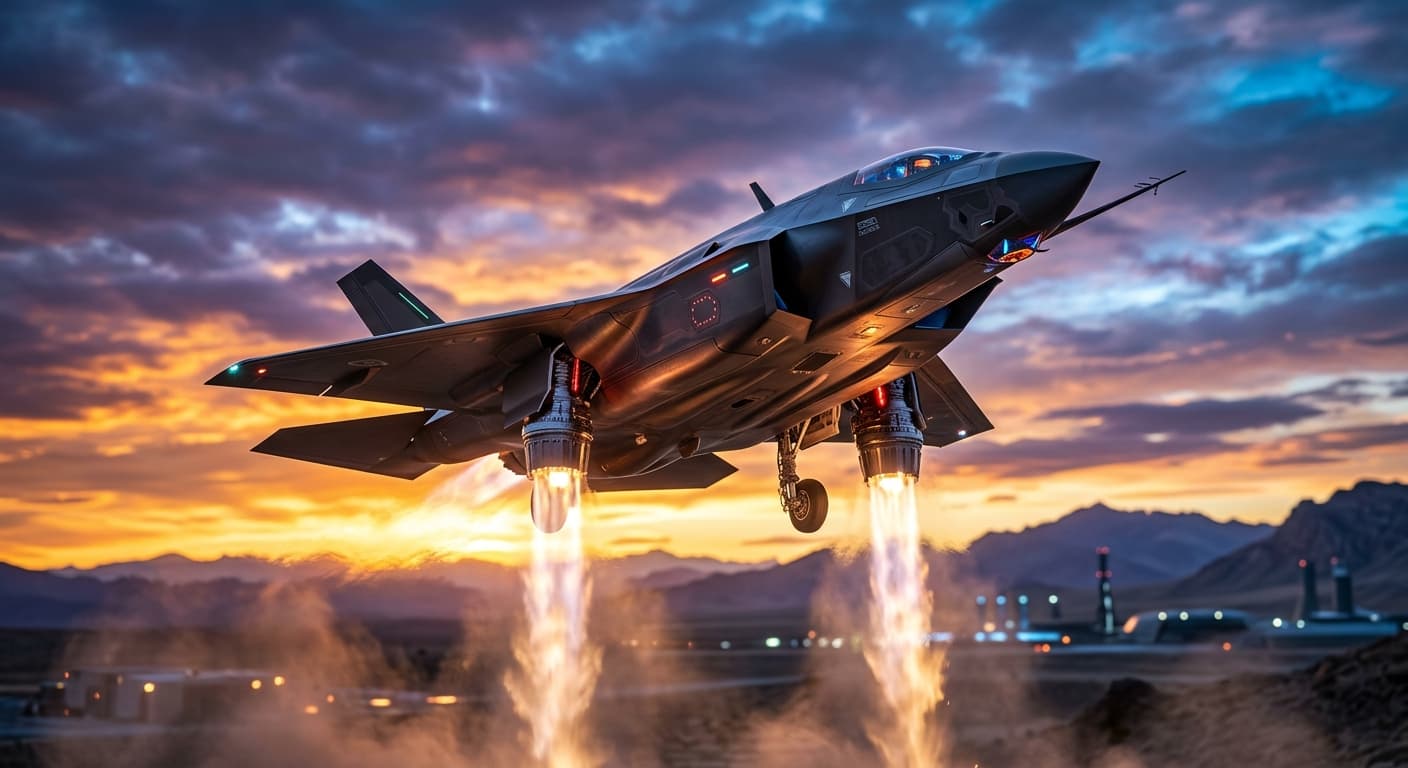
AI Daily News: New Advances in AI-Piloted Fighter Jets — May 30, 2026
The realm of military aviation is witnessing a seismic shift as artificial intelligence (AI) technology continues to evolve rapidly. With recent advancements in AI-piloted fighter jets, the landscape of aerial combat is poised for transformation. This article explores the latest developments, particularly focusing on the fully autonomous VTOL (Vertical Take-Off and Landing) fighter jet unveiled by Shield AI, and its implications for military strategy and operations.
The Rise of AI in Military Aviation
In recent years, military organizations around the globe have started integrating AI technologies into their operations. The advancements in AI-driven systems are not just about enhancing existing technologies, but rather revolutionizing the way air combat is conducted. The introduction of fully autonomous aircraft marks a pivotal moment in this transformation.
Shield AI's Fully Autonomous VTOL Fighter Jet
In October 2025, Shield AI unveiled its groundbreaking autonomous VTOL fighter jet, known as the X-Bat. This aircraft is designed to operate without human intervention, leveraging advanced AI algorithms to navigate complex combat scenarios. Capable of vertical take-off and landing, the X-Bat can operate in diverse environments, making it a versatile addition to modern air forces (Military.com).
The implications of such technology are profound. The X-Bat is equipped with sensors and decision-making capabilities that allow it to engage in combat situations effectively. Moreover, its ability to operate autonomously reduces the risk to human pilots, enabling safer missions in hostile territories.
The Strategic Importance of AI Fighter Jets
The emergence of AI-controlled fighter jets is driven by escalating global tensions, particularly with nations like China increasing their military capabilities. Recent reports indicate that China has been targeting U.S. military assets, prompting the need for advanced defensive measures (Fox News). The X-Bat, with its AI-driven capabilities, is positioned as a response to these threats, offering the U.S. Air Force a technological edge in aerial warfare.
Real-World Testing and Demonstrations
The U.S. Air Force has been actively testing AI-controlled aircraft in real-world scenarios. Recently, a high-ranking Air Force leader took a historic ride in an AI-controlled fighter jet, showcasing the aircraft's capabilities and reliability (Politico). This demonstration is crucial not only for validating the technology but also for instilling confidence in military personnel regarding the use of AI in combat operations.
Potential Challenges and Concerns
Despite the promising advancements, the integration of AI in military aviation raises several concerns. Ethical questions surrounding autonomous warfare, the reliability of AI decision-making, and the potential for hacking or malfunction in critical situations remain significant challenges. As military forces increasingly turn to AI technologies, addressing these issues will be paramount to ensuring safe and effective operations.
Key Takeaways
- The unveiling of Shield AI's X-Bat marks a significant advancement in autonomous military aviation.
- AI fighter jets reduce risks to human pilots and enhance operational effectiveness.
- The need for advanced technology is driven by geopolitical tensions, particularly with China.
- Real-world testing of AI-controlled aircraft is crucial for military confidence and operational readiness.
- Ethical and reliability concerns must be addressed as AI becomes central to military strategy.
FAQ
Q: What does a fully autonomous fighter jet entail? A: A fully autonomous fighter jet operates without human pilots, utilizing AI for navigation and combat decision-making.
Q: How does the X-Bat compare to traditional fighter jets? A: The X-Bat offers enhanced operational flexibility, safety, and the ability to perform complex missions without risking human lives.
Q: What are the ethical concerns regarding AI in military applications? A: Ethical concerns include the potential for autonomous systems to make life-and-death decisions without human oversight and the risk of hacking.
As the military continues to innovate with AI technologies, the landscape of aerial combat is transforming. These advancements signal a new era for military operations, one that Clever AI will continue to monitor closely.